Your best designers are still sketching. Your competitors are running the slot machine.
A designer opens an AI tool. Types a prompt. Gets one render. Frowns. Closes the tab. Not there yet.
That's how most design teams use AI. It's also why most design leaders still think it's a toy.
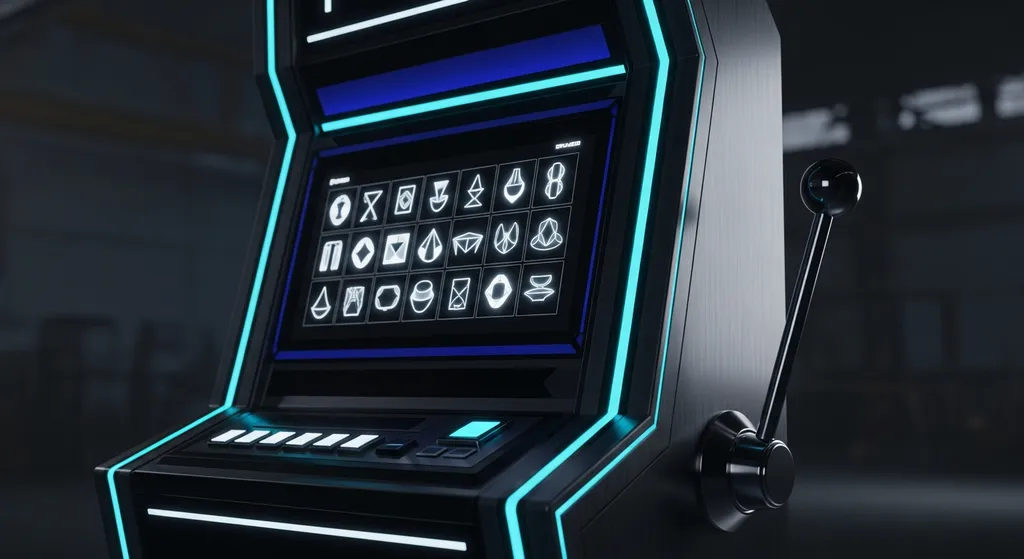
The ones pulling ahead do the opposite. They generate fifty. A hundred. They treat the tool like a slot machine — and they're right to.
I read a piece recently arguing AI is a slot machine, not a search engine. For design, that's not a metaphor. It's the operating manual. And getting there means moving through five stages that line up, almost perfectly, with the five stages of grief. Denial, anger, bargaining, depression, acceptance.
Most design leaders I talk to are stuck somewhere in the middle. Here's the climb.
Stage 1 — Denial
Denial wears two faces.
One leader watched an image generator melt a product into a six-wheeled blob back in 2023, and has been telling that story at every offsite since. Another shipped the first clean-looking render straight into a review because it "looked finished" — and got taken apart in the room.
Both miss the same thing. AI is probabilistic. The render you got was one pull out of millions. Run it again and you get a different one. That isn't a defect. That's the material you're working in.
The way out: stop asking for the image. Ask for a set. Six directions, not one hero. Options as the default, not the exception.
Stage 2 — Anger
You got burned. Someone on your team dropped an AI render into a client deck and it fell apart under the first hard question. So now you collect the bad ones. You post the melted chair. This will never replace a real designer.
The anger is aimed at the wrong target.
The tool isn't a designer. It's the most prolific junior you've ever hired — fast, tireless, no taste of its own, and it will follow your lead to a fault. You don't fire the junior. You direct them. You're the creative director. So direct.
The way out: when it misses, tell it. Wrong proportion. Too generic. Push the stance. The correction loop is the work — not a sign the tool failed.
Stage 3 — Bargaining
This is where most design leaders get stuck.
You've decided the answer is the perfect prompt. The perfect reference board. If you just describe the thing precisely enough, the machine will hand you the final image on the first try.
It won't. A great prompt takes your hit rate from maybe one-in-twenty to maybe one-in-four. The other three still come from generating more and throwing most of it away. There's no magic input. There's a conversation, and a pile of rejects behind every keeper.
The way out: stop polishing the prompt. Start running the loop.
Stage 4 — Depression
Now you're generating. A lot. And you're a little embarrassed about it.
You explored ninety finish variants before lunch, and some part of you whispers that real design isn't supposed to look like this. Where's the craft in pulling a lever ninety times?
Here's the part nobody says out loud: the volume is the craft now. Taste was always the job — knowing which one is right. AI didn't take that from you. It removed the constraint that used to let you afford only three options. Ninety isn't waste. Ninety is the point.
Stage 5 — Acceptance
The leaders winning right now generate in batches and expect to bin most of it. They've made peace with the math: one great concept costs a hundred mediocre ones, and that's the best trade in the history of the studio.
The playbook is simple.
State the vision in one line. If you can't say what you want, no amount of generating saves you.
Pick a number — then double it. You always need more options than you think.
Generate fast. Correct hard. Repeat until one sticks.
Take the winner out. To the deck. The boardroom. Engineering. Ready to build from.
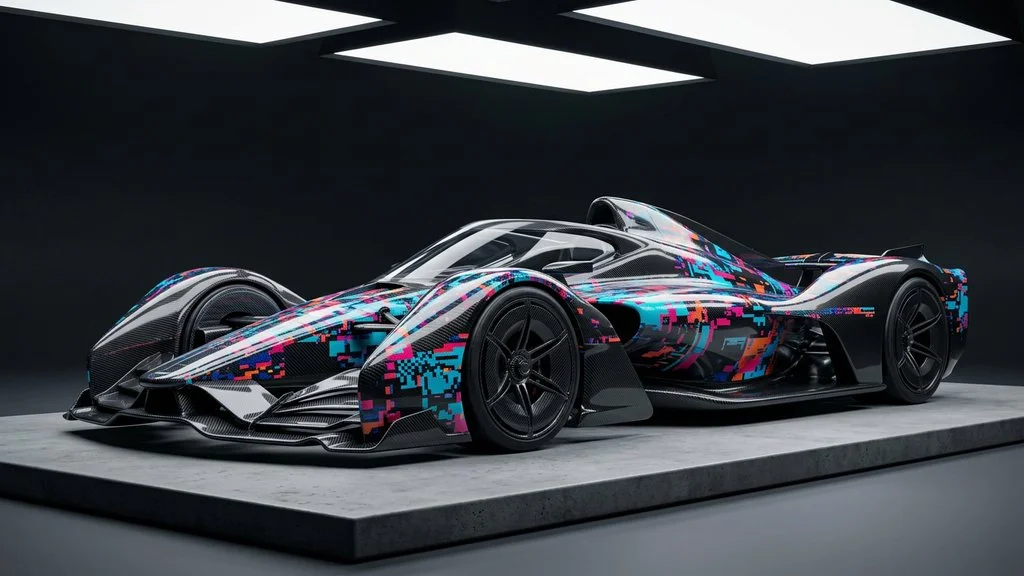
This is, frankly, why we built Depix. Design Lab holds the hundred — every render stored, tagged, comparable. The agents make them: Product Vision turns a written brief into a showroom-ready image, CMF Vision runs dozens of colour and finish directions in minutes, Product Shape explores form from intent alone. The machine pulls the lever. You bring the taste.
There are only two kinds of design organisation now
You refuse AI and sell craft at a premium you can defend. You already know the one right way to do the work, and you charge accordingly. Real respect for that.
Or you run the machine. You accept that the first pull is never the answer, so you learn to take a hundred pulls fast and pick the one.
The bottleneck used to be how many ideas you could afford to draw. That's gone. It's moved downstream — to engineering, to manufacturing, to whoever has to build the thing you just decided on in an afternoon.
So the only question left is who's pulling the lever. Your team, a hundred times before the meeting. Or your competitor.
Think it real.