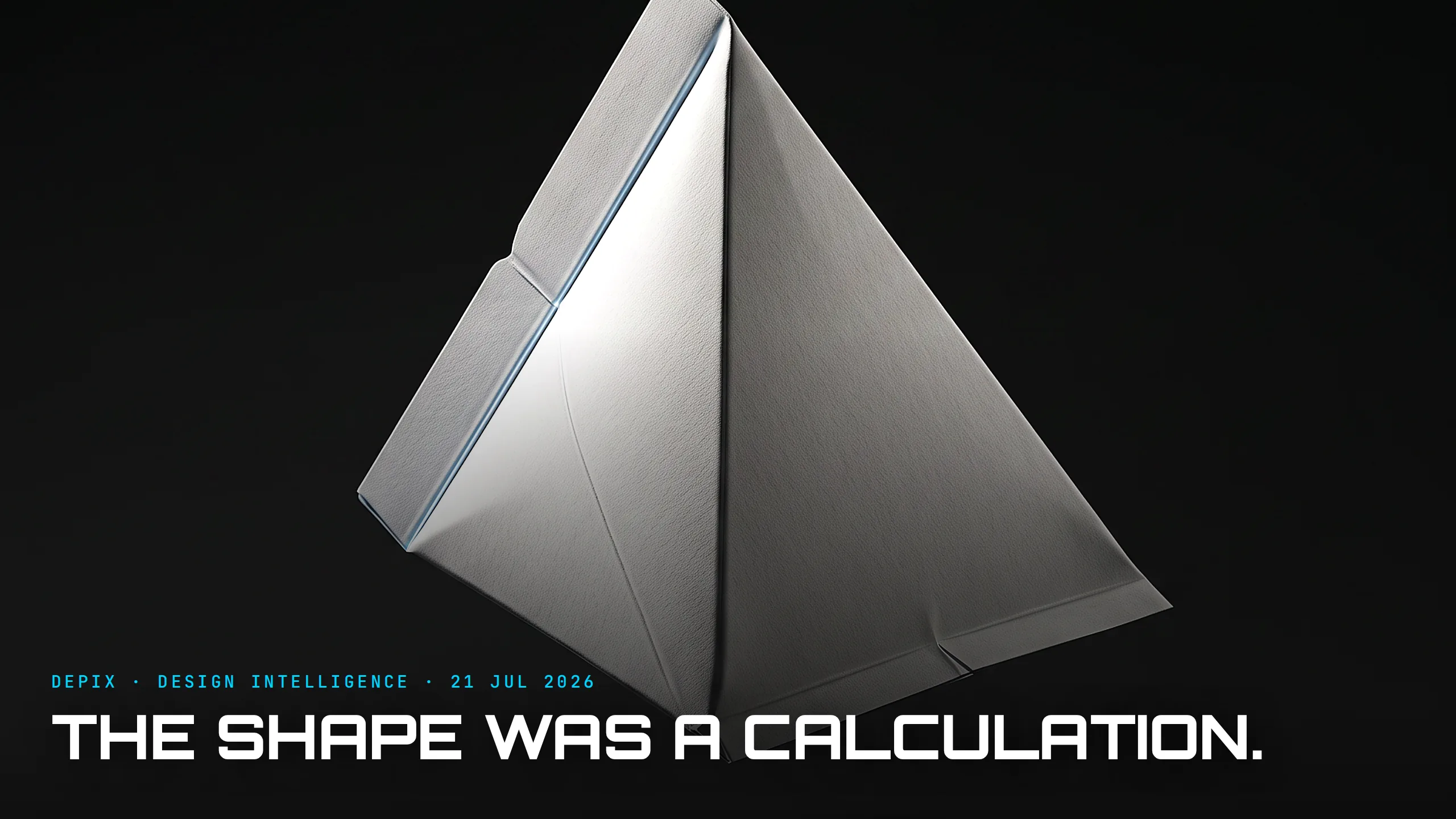
The Ballpoint Pen: The Idea Was Easy. The Tolerance Wasn't.
The first patent for a ballpoint pen was granted in 1888, to an American leather-tanner named John Loud. His pen worked — on leather. On paper it was hopeless, too coarse to write a letter, and Loud, seeing no market, let the patent lapse. The idea of a pen that writes with a tiny rolling ball was, in other words, sitting in a patent office fifty years before anyone made one you would actually want. The concept was never the hard part.
The hard part was everything the concept quietly assumed.
A ballpoint is deceptively brutal engineering. A ball has to sit in a socket loosely enough to roll freely in every direction, yet tightly enough that ink does not flood out around it or dry up inside — a fit measured in microns, holding back a fluid, surviving a pocket, for months. Get the ink too thin and it leaks; too thick and it skips. When the Hungarian journalist László Bíró patented the modern version in 1938, his real contribution was not the ball — it was pairing it with a fast-drying, viscous newspaper-style ink, worked out with his chemist brother György. The design problem had migrated from the idea to the materials and the tolerances.
The next act is the one every product team should tattoo somewhere. In 1945 the American businessman Milton Reynolds skirted Bíró's patent with a gravity-fed design, knew perfectly well it was prone to leaking, and rushed it to market anyway. It launched at Gimbels in New York at $12.50 — over $200 in today's money — and sold out in a frenzy. Then the pens leaked, skipped and died, the returns poured in, and by the early 1950s the ballpoint's reputation had cratered and Reynolds' company had folded. He had the idea, the patent workaround, the marketing and the first-mover lead. He did not have a pen that worked, and none of the rest of it mattered.
The company that won had almost none of those advantages and one that beat them all. Marcel Bich — a French manufacturer who would shorten his name to Bic — licensed Bíró's patent and then spent years on the unglamorous problem Reynolds had waved away: how to make the tip precisely, cheaply and identically, millions of times over. He borrowed Swiss watchmaking tolerances and developed better steel and, in time, tungsten-carbide balls that held their fit. The result, the Bic Cristal of 1950, cost pennies and simply worked — and became one of the best-selling products ever made, now sold at a rate of roughly fifty-seven a second. Parker's 1954 Jotter pushed the same lesson upmarket with its own tungsten-carbide ball. The winners were the ones who treated manufacturing as the design.
This is the pattern we care about most at Depix, because it is the one that flatters the wrong work. The concept — the demo, the sketch, the "wouldn't it be great if" — is the exciting ten percent, and it is genuinely necessary, but it is also the part that was, in the case of the ballpoint, already done and shelved by 1888. The remaining ninety percent — can you make it repeatably, at a price real people will pay, without it failing in a pocket — is where the actual design lives, and it is unglamorous, invisible in a pitch, and decisive in the market.
The trap is to mistake the idea for the design and declare victory at the prototype, the way Reynolds did. A ballpoint that leaks is not a ballpoint with a small defect; it is a non-product wearing the costume of one. Manufacturability, tolerance, cost, consistency — the boring nouns — were not downstream details to be handled later by the factory. For the ballpoint they were the design problem, and the fifty years between Loud's patent and Bíró's ink, and the further decade to Bic's tip, are the measure of how hard the "boring" part really was.
The discipline the pen teaches is to ask, at the concept stage, the question that is not fun: not "is this a good idea?" — good ideas are cheap and old — but "what has to be true to make this ten thousand times, and is that the thing we are actually designing?" Usually it is.
Sources:
- ●Wikipedia — John J. Loud (first ballpoint patent, 1888)
- ●Wikipedia — Ballpoint pen
- ●Wikipedia — László Bíró
- ●DPMA (German Patent Office) — Ballpoint pen milestone (László Bíró)
- ●Dayspring Pens — Who Invented the Ballpoint Pen (Reynolds 1945)
- ●Pens.com — The inventor behind the modern ballpoint pen
- ●Wikipedia — Marcel Bich
- ●Wikipedia — Bic Cristal
- ●Wikipedia — Société Bic (best-selling)
- ●Goldspot — Who invented the ballpoint pen (~57 sold per second)
- ●Executive Pens Direct — Ultimate Ballpoint Pen Guide (tungsten-carbide ball)
- ●History of Pencils — History of Ballpoint Pens
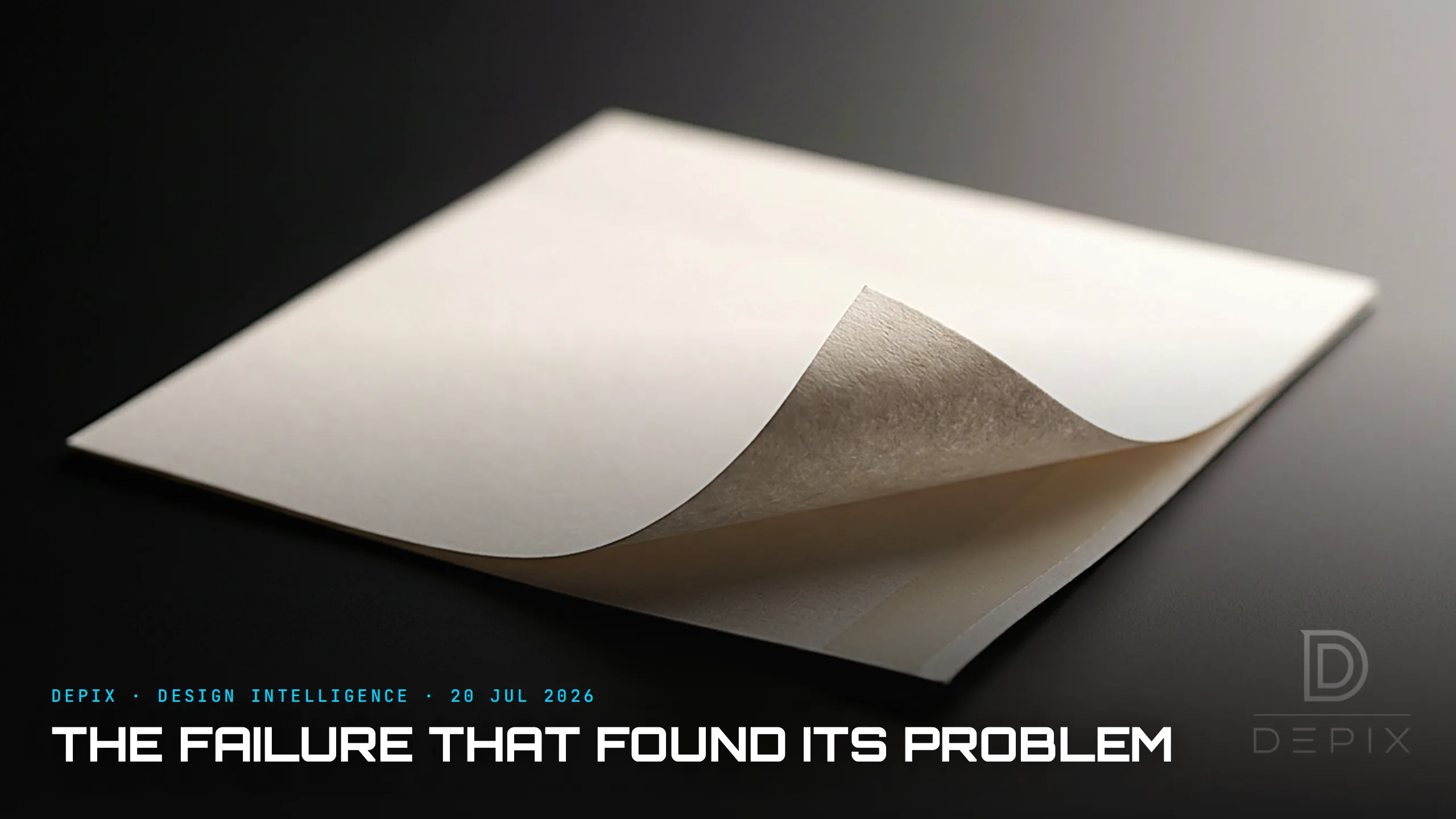
The Post-it Note: The Failure That Found Its Problem
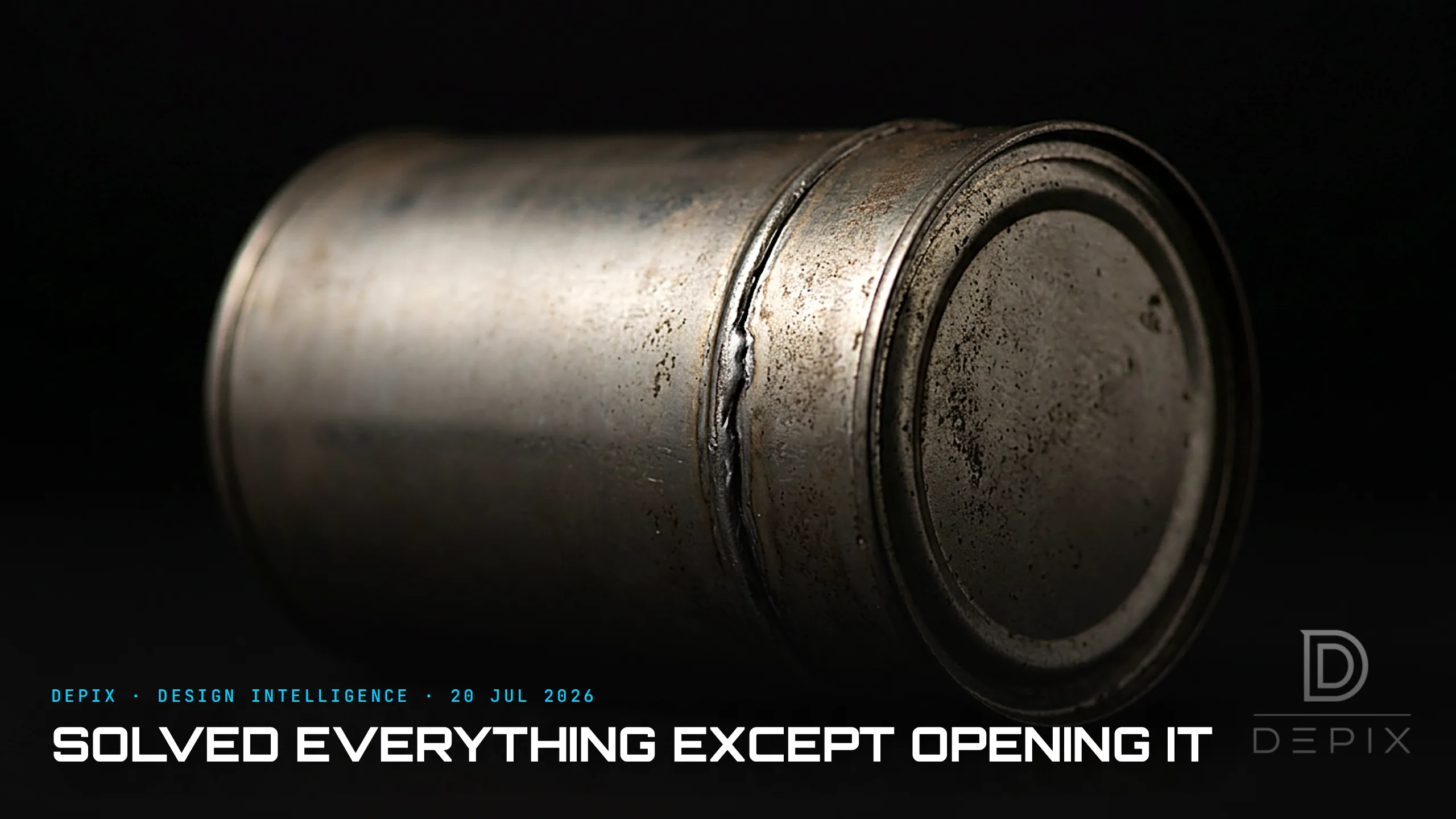
The Tin Can: Solved Everything Except Opening It