Featured Stories
Plain-English field notes on the AI reshaping how the world designs, builds and works. Signal, not hype.

The Five Habits That Turn AI Into an Unfair Advantage
The people racing ahead in 2026 are not the best coders. They have built a handful of repeatable habits: giving a model enough context to work with, fact-checking what it hands back, and stitching tools into a workflow instead of firing off one prompt at a time. Judgment, not jargon, is the edge.
Read the story →
How to Make AI Stop Guessing and Start Citing
Ask a model a question and it answers from memory, which is exactly how confident, wrong answers happen. Retrieval flips that: before the AI writes a word, it searches a trusted library of your documents, pulls the relevant passages, and answers open-book from them. Same model, but now every claim is anchored to a source you can check.

How to Build an AI Information Diet Worth Trusting
The field moves too fast to follow everyone and too fast to follow no one. The fix is not more scrolling, it is curation: pick a small set of people who ship real work and admit what they do not know, mute the hype merchants, and weight builders over broadcasters. A sharp feed compounds. A noisy one just tires you out.

How to Read AI News Without Drowning In It
More AI news breaks in a single day than anyone could read in a week, and most of it repeats the same three announcements. Staying genuinely current is a discipline, not a volume game: choose two or three sources that explain the "so what" behind a launch, batch your reading into one sitting, and skip anything that is hype wearing a headline.
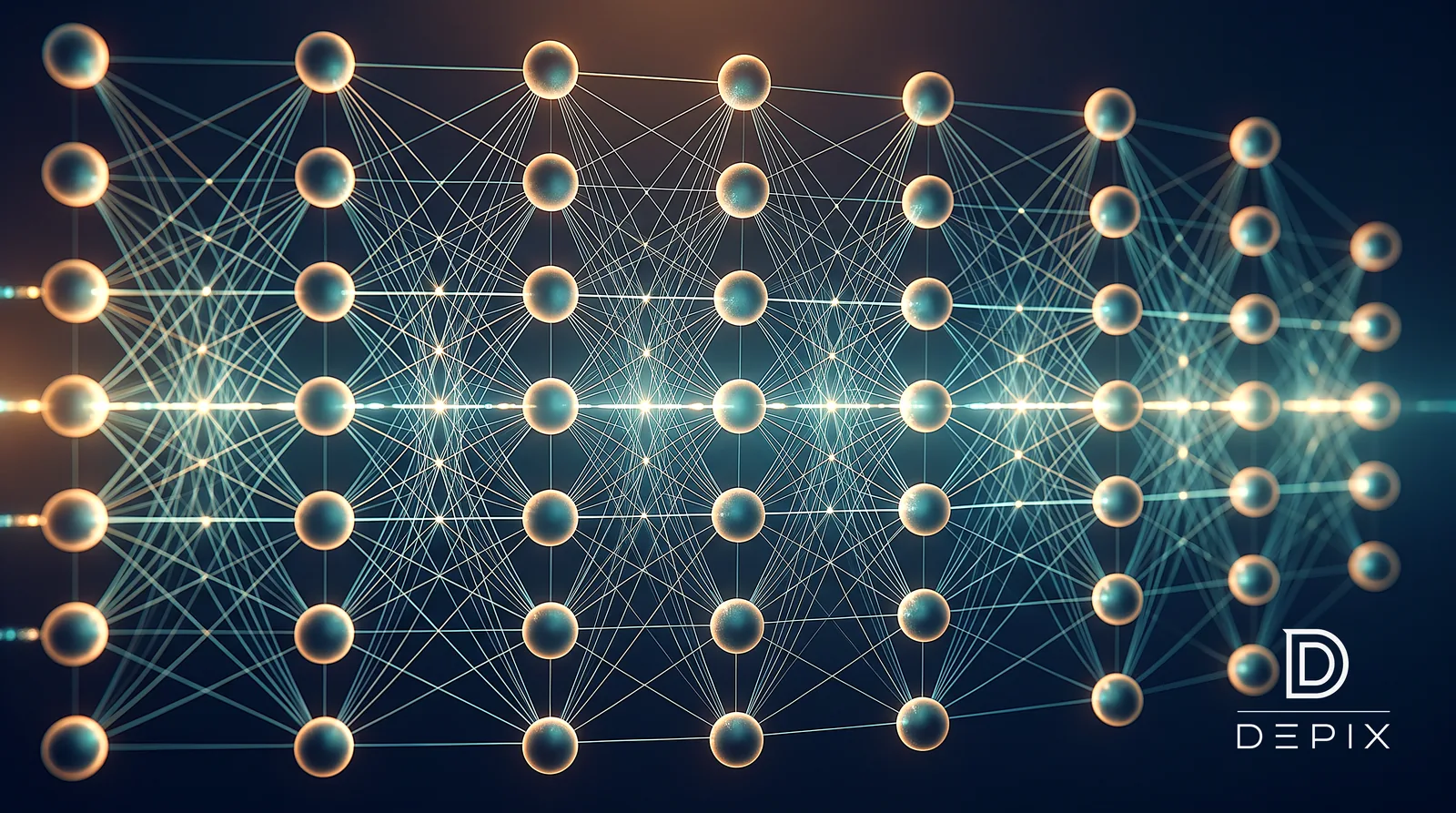
What Is Really Happening Inside a Neural Network
A neural network is less a brain and more a giant stack of dials. Numbers flow in (a photo, a song, an email), pass through layer after layer of simple adjustable weights, and a decision drops out the far end: that is a face, that is spam, you will like this track. Nobody wrote the rules by hand. The network just tuned its dials until the answers came out right.

How a Machine Learns From Its Own Mistakes
Learning looks less like studying and more like correction at scale. The network makes a guess, measures how wrong it was, then walks that error backward through every layer, nudging millions of dials a hair in the right direction. Repeat across millions of examples and the guesses slowly harden into skill. That backward nudge has a name: backpropagation.

The Simple Idea That Powers Every Chatbot: Attention
Older AI read a sentence one word at a time and had half-forgotten the start by the end. The transformer let every word look at every other word at once and decide which ones matter, so "it" can find the thing "it" points to three lines up. That single move, called attention, is why today's models hold context and can finish your thought.
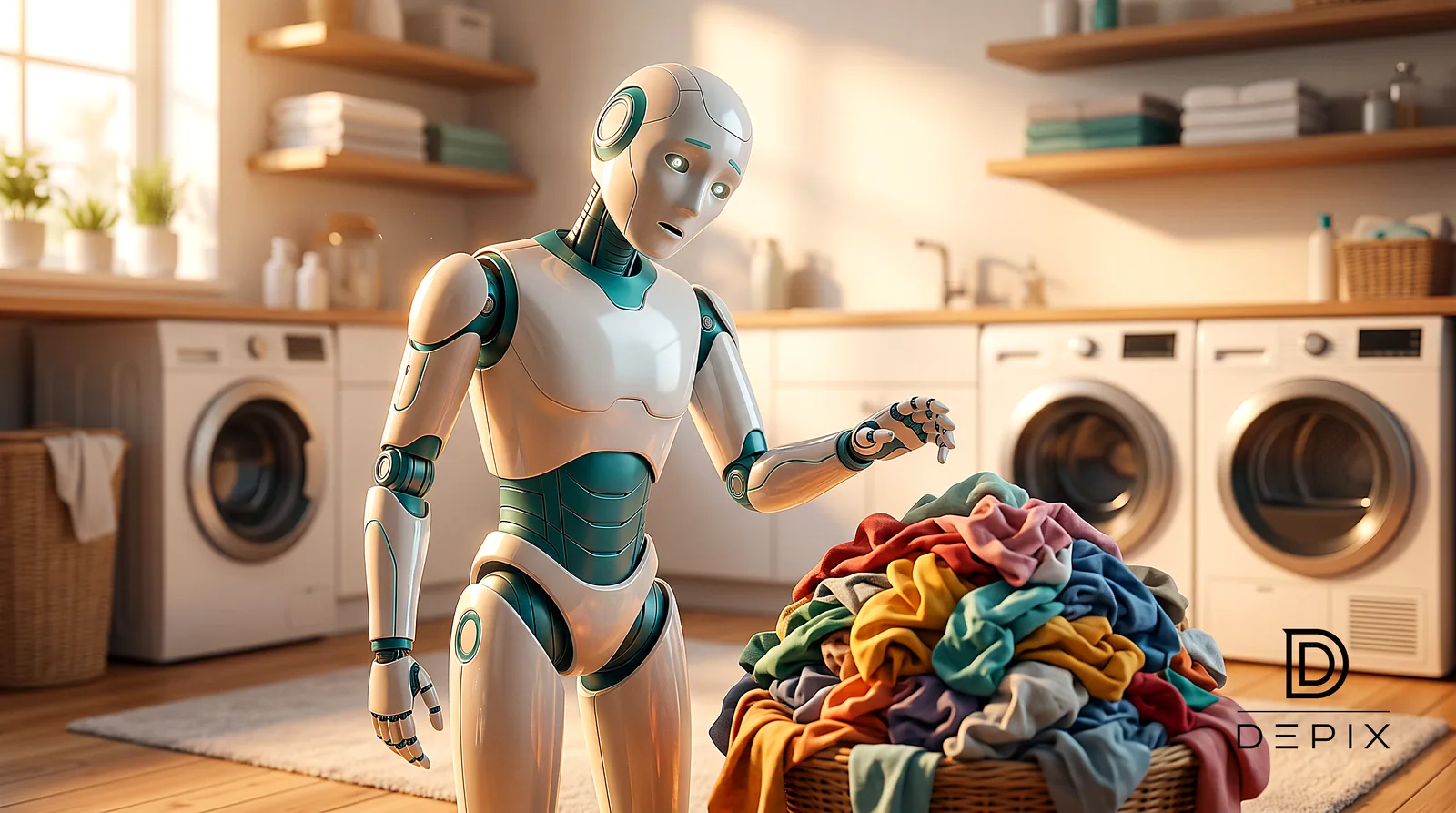
Why AI Can Ace Your Email but Not Fold Your Laundry
Here is the great irony of the field: the things a toddler finds easy are the things machines find hardest. Reasoning, writing and code are tidy and digital, so AI devours them. A heap of tangled clothes is messy physics, endless shapes, soft fabric and real-world touch, no two piles alike. Roboticists have a name for this upside-down difficulty curve: Moravec's paradox.