The Death of Chrome
For a hundred years, chrome was how a car said "expensive." Bright, mirror-polished brightwork around the grille, the window surrounds, the door handles and the bumpers — the more chrome, the more premium. Then, quite suddenly, it began disappearing. And it is dying two deaths at once: one of taste, and one of toxicity. For most of the twentieth century more chrome literally meant more money — tail fins, bumpers and grilles were dipped in it to broadcast status the instant a car rolled past. It was the cheapest way to look expensive, a mirror you wore on the outside of the machine.
The first death is fashion, and it has flipped completely. The "chrome delete", or "blackout", trend has exploded, replacing bright trim with gloss, satin or matte black until the blacked-out look has become the default that enthusiasts want. It is now a whole aftermarket in its own right — a vinyl wrap laid over the factory chrome, running roughly $500 to $1,900 and lasting three to five years — precisely because so many owners now find chrome flashy and dated. The equation simply inverted: chrome used to read "luxury," and now the absence of it does. A blacked-out car reads as focused and current; a heavily chromed one increasingly reads as trying too hard, or simply old.
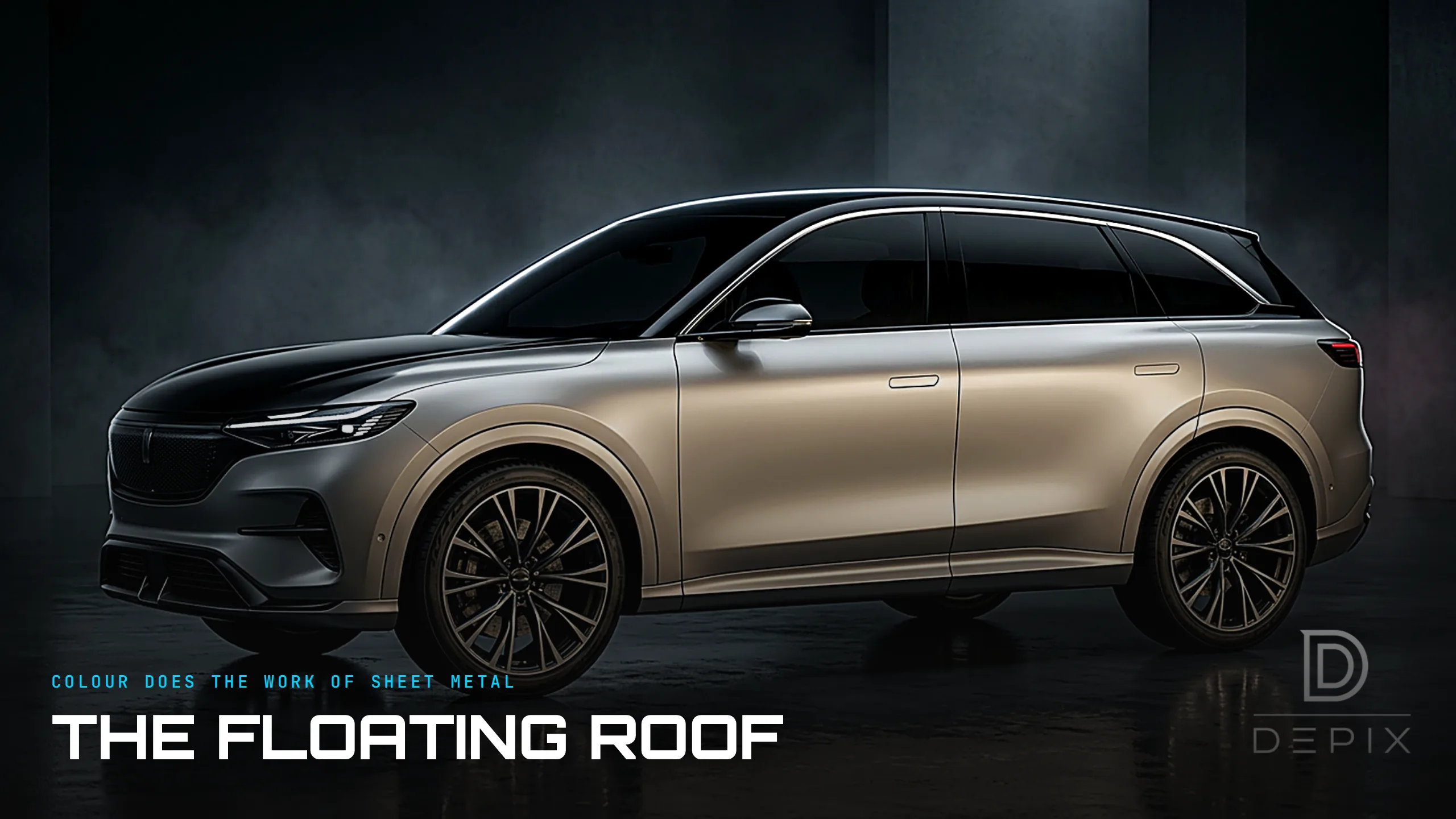
This is not only aftermarket taste; the makers are deleting it at the factory too. Tesla moved to an all-black exterior-trim look across its range back in 2021, and Ford, Kia and others now ship blacked-out trims straight off the line. Stellantis has gone furthest, effectively announcing the end of chrome in its new designs and shifting to blacked-out trim, polished and satin stainless steel and textured finishes instead. Body-colour and dark satin are quietly becoming the premium default, and chrome is being demoted to a retro accent. Electric brands led the shift, partly because a sealed, grille-less EV face has little brightwork to apply anyway, and partly because a minimal, monolithic look now reads as modern in a way a chrome-laden one simply does not. What began as one carmaker's austerity has quickly become the whole industry's new grammar.
The second death is the more interesting one, because it is chemical. The mirror-shine of real chrome comes from hexavalent chromium — "chrome-6" — plating, and it is a serious carcinogen: the airborne emissions from the plating process are more than five hundred times more toxic than diesel exhaust, a cancer risk to whole communities around the plating shops. So regulators are moving. California is set to ban hexavalent chromium in decorative plating by 2027, and the EU long ago classified its compounds as carcinogenic and is phasing them out of products under REACH. The looming ban has the finishing industry scrambling for a replacement. The finish that defined automotive luxury is, quite literally, being outlawed.
Here is the cruel twist for anyone who loves the look. The clean alternative — trivalent chromium, "chrome-3" — is far less toxic, but the industry openly concedes its colour is not as brilliant as the hexavalent chrome it replaces, running slightly warmer and duller. And the EU ban itself is more tangled than it first appears, full of exemptions and shifting timelines. The blunt truth is that the mirror-bright chrome we associate with luxury may simply not be reproducible cleanly — the shine and the poison were the same chemistry.
This is a concept-phase lesson with unusual teeth. Whether a car wears brightwork or blacked-out trim has always been a brand-language decision, and nothing dates a design faster than the wrong amount of chrome. But now that decision carries a toxicity and a regulatory cost as well, locked in years before the car ships. The brands moving early to body-colour, dark satin and honest stainless are not merely chasing a blackout fashion; they are designing around a material that is becoming unfashionable and illegal at the same time. Chrome spent a century as the sign of the future. It turned out to be a finish you could spot from a block away — and, close up, one that almost nobody will be allowed to keep making. The new luxury is not a brighter shine. It is not needing one.
Sources:
- ●Hussle Customz — Chrome Delete Guide: Cost, Process & Is It Worth It (2026)
- ●Precision Car Wraps — Chrome Delete: Which Vehicles Look Best Without Chrome Trim
- ●Wrap Trap — Chrome Delete Cost: Full Pricing Breakdown for 2026
- ●ChevyHardcore — Does Chrome Have a Future on Classic and Specialty Cars? (OEM phase-out, Tesla all-black, Stellantis)
- ●ECF Inc — Trivalent vs. Hexavalent Chrome Plating: What's the Difference?
- ●Hagerty — California proposes ban on common chrome plating method (500x diesel toxicity)
- ●Finishing and Coating — California Approves Ban on Use of Hex Chrome (decorative by 2027)
- ●Assent — Hexavalent Chromium & REACH Compliance: Disruptions Coming
- ●C&EN — Confronting the looming hexavalent chromium ban
- ●Magneto — Proposed EU chrome-plating ban isn't quite what it seems