
FIFA made three mascots, and fans only buy their own
date: 2026-07-04
FIFA made three mascots, and fans only buy their own
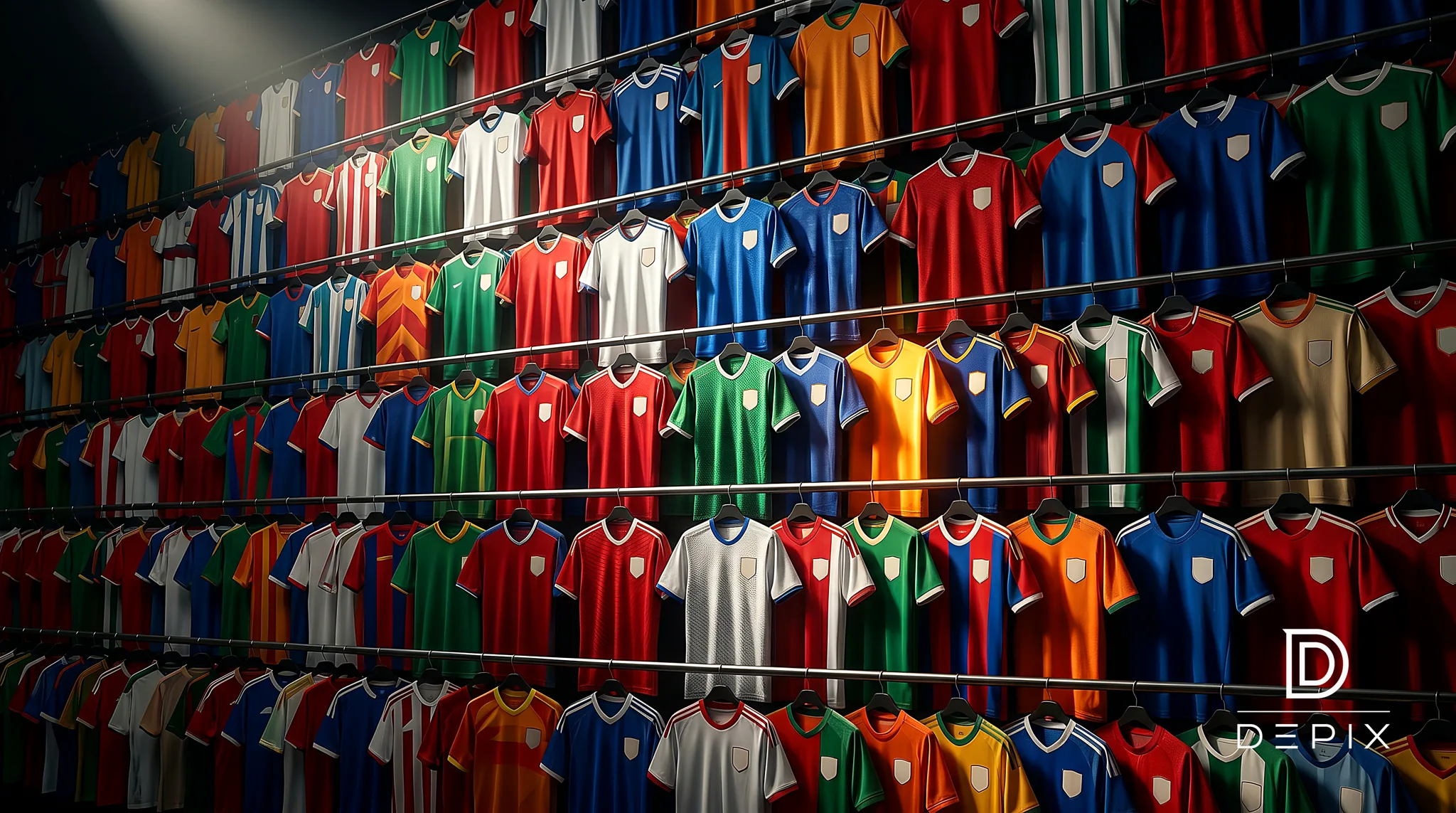
The most revealing chart of this World Cup isn't a shot map. It's a merch shelf. Walk into a stadium store in Guadalajara and the plush racks are stripped of Zayu, the Mexican jaguar. Walk into one in Dallas or Seattle and it's Clutch, the American bald eagle, that keeps selling out. Same tournament, same price list, three mascots designed as a set — and buyers are reaching, almost entirely, for the one that looks like home.
That is not an accident. It is the concept-phase bet coming true, in cash.
For every previous tournament FIFA drew one mascot: World Cup Willie, Naranjito, Footix, La'eeb. One host, one icon, one identity to rally behind. The 2026 edition — the first with 48 teams and the first shared by three nations — broke that rule. Canada got Maple the moose, Mexico got Zayu the jaguar (a number-nine forward, per FIFA's own character sheet), and the United States got Clutch the bald eagle. Three animals, three ecosystems, three national stories, marketed as "united by football."
The design decision was quietly radical. Instead of abstracting three countries into one neutral symbol — the safe, committee-friendly path — FIFA and its studio chose maximal local specificity. Each mascot is a species you can only credibly claim in one of the three host nations. A moose is Canadian in a way an eagle can never be. A jaguar carries Mesoamerican weight no boreal animal can borrow. That specificity is the product. And specificity, it turns out, sells locally and travels poorly.
Here is the uncomfortable part for anyone who believes a mascot should be a universal ambassador: the split proves fans don't buy the cutest character. They buy the one that flatters their own passport. A Mexican family isn't ranking Zayu against Clutch on charm; they're buying belonging. The object's job was never to be objectively adorable. It was to be ours. FIFA effectively ran a three-way A/B/C test on national identity and the market answered before the group stage ended.
That is a lesson worth more than the plush margins. Most design teams still argue about a mascot — or a product, or a brand mark — as if there were a single "best" version waiting to be found. There isn't. There is only best-for-whom. The three-mascot strategy works commercially precisely because it stops pretending one form can carry three audiences. It sacrifices universality to win identity. The risk is real: a single beloved character (a Footix) can outsell a fragmented trio in raw units, and a house divided into three lines is three times the tooling, licensing and inventory complexity for a 48-team, tri-national logistics map. FIFA bet that depth of local belonging beats breadth of mild appeal. So far the shelves agree.
The deeper point is when that bet was placed. Nobody discovered the Zayu-in-Mexico, Clutch-in-the-USA pattern in a sales meeting this summer. It was decided the moment someone chose "three species, one per host" over "one neutral symbol" — years before a single plush was stitched. By the time the merchandise ships, the outcome is baked. You cannot fix a universality problem at the checkout; you fix it at the concept phase, or you never fix it.
This is exactly the terrain DEPIX works in. Design intelligence isn't about making the render prettier after the fact — it's about seeing, at the moment of the decision, who a design is actually for and how differently it will land across the audiences that matter. The mascot split is a clean, public proof: the value was created (and the constraint locked) in the first sketch, not the final polish. Deciding meaning early is the whole game. The three little animals just handed every design chief a free case study in it.
So the question a design leader should carry out of this World Cup isn't "which mascot is best." It's the one FIFA answered before anyone bought a thing: best for whom, and did we decide that on purpose?
Sources
- ●Colourful trio of mascots unveiled for FIFA World Cup 26 — FIFA
- ●Official Mascots — FIFA World Cup 2026
- ●World Cup Mascots: Maple the Moose, Zayu the Jaguar, and Clutch the Bald Eagle — FOX Sports
- ●FIFA World Cup 26 Unveils Three Mascots and a New Playbook for Global Sports Branding — Advertising Week
- ●Maple, Zayu and Clutch — Wikipedia
- ●Official FIFA World Cup 2026 Mascot Merchandise — FIFA Official Store

FIFA promised $1,550 final seats. Its algorithm charged $5,785.
16 more teams, one giant World Cup design stress test.
