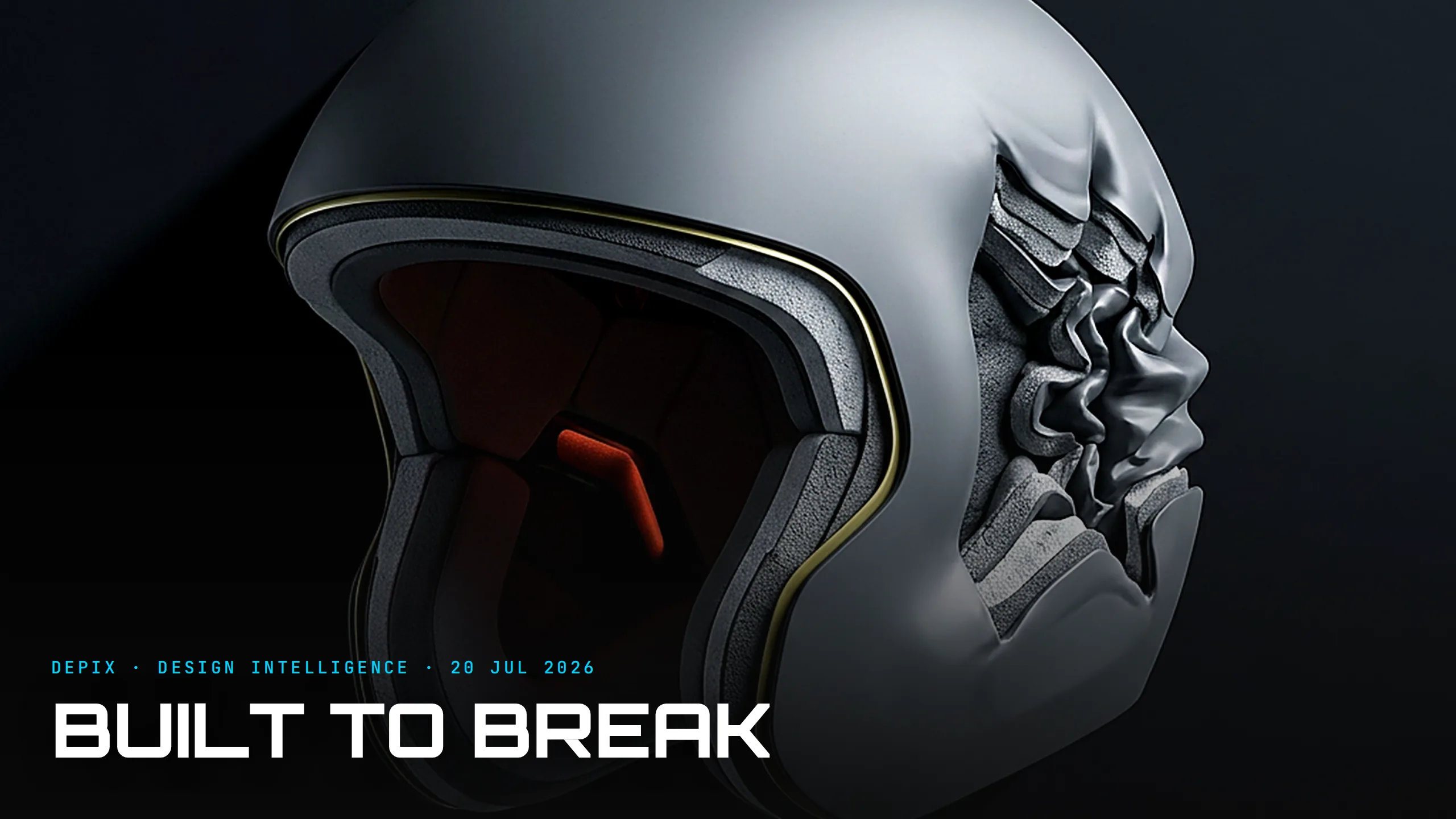
The Analog Holdout: Why the 'Obsolete' Manual Refuses to Die
By every objective metric that matters, the manual gearbox is obsolete. A modern automatic shifts faster and more precisely than any human foot and hand; a turbocharger extracts more power from less engine than a naturally aspirated one; an electric motor beats both on acceleration, smoothness and efficiency without changing gear at all. If the job of a car is to move a body from A to B as quickly and efficiently as possible, the manual and the high-revving atmospheric engine should already be extinct, mourned only by hobbyists. So here is the awkward fact: they are coming back.
There are 24 manual models still on sale in 2026, and the trade press keeps using the same word — comeback — for a quiet return nobody predicted. And where brands actually offer the choice, the take-rates are staggering: the Subaru BRZ sells around 90% manual, the WRX 85%, the Porsche 911 GT3 Touring 83%. Two brands, Subaru and Toyota, account for nearly half of all manual cars sold in the US, as a deliberate commitment. This is not a rounding error of nostalgia. It is demand.
Why? Because "better" was quietly answering the wrong question. The manual endures precisely because it transforms transportation into engagement — it makes you a participant rather than a passenger. The naturally aspirated engine survives for the same reason: its immediate throttle response and free-breathing mechanical note give a directness and intimacy that a more powerful, more efficient turbo deliberately trades away. Neither feature is kept for performance. Both are kept for involvement — for the feeling of a human being in the loop.
That single reframe changes what these things are. The manual gearbox is not a legacy component a few brands haven't gotten around to deleting. It is a design decision — a choice to optimise a product for engagement rather than efficiency, to keep friction that a spreadsheet would remove because that friction is the entire point. And the industry has just proved this is about design and not hardware, in the most revealing way possible: it is now engineering fake manuals. Porsche has patented a shift-by-wire gearbox that can behave as both a full automatic and an H-pattern manual with no mechanical linkage at all; Toyota's iMT system uses software to simulate the sensation of gear engagement, and EV makers are adding simulated shifts and synthetic engine notes to electric cars that have no gears and no engine.
Stop and look at what that means. The moment you build a simulated manual, you have admitted out loud that the manual was never about the mechanism. It was about the feeling — and a feeling is a design target you can choose to hit, or choose to strip away. The clutch pedal was always a delivery mechanism for engagement; once you can deliver the engagement another way, the mechanism is optional but the intent is not.
This is the concept-phase decision underneath all of it, and it is the one most product teams skip: decide what your product is actually for before you optimise it. "Faster" and "more efficient" are only the right goals if speed and efficiency are the point. Some products exist to involve a human — to be operated, felt, mastered — and for those, stripping out every inefficiency in the name of a cleaner metric doesn't improve the product, it deletes it. The analog holdout looks like sentiment from the outside. From the inside it is the correct answer to the actual brief: this car's job is to be driven, not merely to arrive.
The trap, which the whole industry has been walking into for a decade, is optimising everything for efficiency by default — because efficiency is measurable and engagement is not — and quietly removing the friction that was the reason the product existed. The manual's stubborn refusal to die is the market pushing back, and the simulated manual is the industry finally understanding the lesson: engagement is a feature you design on purpose. This is the judgement we keep returning to at Depix. The best products aren't the ones with the fewest steps. They're the ones that kept exactly the right steps — and knew, at the concept phase, which friction was the point.
Sources:
- ●Dub Magazine — Manual transmission cars 2026: only 24 models left
- ●Olympic Auto — The manual transmission comeback in 2026
- ●Rush Experts — The quiet return of the manual transmission in 2026
- ●Ask My Auto — What does a naturally aspirated engine mean, and why prefer it
- ●Driven Racing Oil — Comparing naturally aspirated and forced induction engines
- ●Hagerty — Porsche wants to save the manuals with shift-by-wire
- ●Carscoops — Porsche's dual-function manual/automatic gearbox patent
- ●Hypebeast — Porsche patents shift-by-wire with simulated manual mode
- ●Motor Junkie — Every manual car you can still buy new in 2026
- ●DAX Street — 14 sports cars still offering a manual in 2026
- ●TopSpeed — 5 new 2026 cars still offering manual transmissions
- ●Caratoz — Naturally aspirated vs turbocharged engines
Same Discipline, Different Scale: What Cars and Buildings Steal From Each Other

The Car That Won't Be Built: What a Concept Car Is Actually For