
Xbox made its console see-through. You still can't get inside.
On 7 June, Microsoft pulled the cover off the Series X25: a limited-edition Xbox in translucent "OG Green," a see-through controller with a fully transparent battery door, and an "X" that lights green on boot the way the original did in 2001. It is, by any honest measure, gorgeous. It is also the year's clearest example of a design decision that borrows the look of an idea while quietly leaving the idea behind.
Translucency is having its loudest revival since the frosted-plastic 1990s. The transparent-electronics category is climbing from roughly $2.8bn in 2025 toward a projected $9.8bn by 2032, and Yanko's monthly round-ups now read like a see-through arms race. But the reason clear plastic mattered the first time was never the plastic. When Apple's iMac and the Game Boy Color went transparent, the shell made a promise: this is your machine, look at how it works. Circuitry as honesty. Repairability as aesthetic. The casing said the maker had nothing to hide.
That is the promise the Series X25 borrows and does not keep. Peel back the translucent green and you find the same hermetically sealed, glue-and-shield Series X that ships in matte black — a console you still cannot open, upgrade, or meaningfully repair without voiding the thing. The transparency is skin-deep by design. You can see the shell; you cannot see in. The most repair-hostile decade in consumer hardware has produced a see-through box you're still not allowed to look inside.
This is not a knock on Microsoft's taste — the object is beautifully resolved. It's a note about what transparency now signals versus what it does. Design research keeps finding the same thing: in an era of data breaches, algorithmic black boxes and planned obsolescence, people read a device they can see into as more honest, more repairable, more trustworthy. That perception is exactly why clear casings are back. And it's exactly why using them decoratively is a live ethical decision, not a neutral colourway. You are cashing a trust cheque the internals can't cover.
The sharper design-intelligence question — the one a design chief should be asking before the render is signed off — is whether your transparent surface is a claim or a costume. Nothing's dishonest when a maker says "this is a nostalgia object, enjoy the green glow." It gets slippery when the same visual language is deployed on sealed, unrepairable, subscription-locked hardware to borrow the credibility that see-through used to earn. Framework's transparent laptops mean it. A glued-shut console in a clear shell means something closer to the opposite.
None of this needs a manifesto. It needs the decision to be made on purpose, early, with the trade-off visible — before tooling, before the launch trailer, before a beautiful shell quietly writes a cheque the product can't honour. That's the entire argument for pressure-testing intent at the concept phase: rendering the translucent-green hero in an afternoon is easy, and it will look stunning, and it will still leave the real question — what is this transparency promising, and can the machine keep that promise? — unasked. The most expensive design mistakes aren't ugly. They're beautiful things that mean something the maker never decided to say.
Xbox will sell every one of these in November, and it should — it's a fine tribute. But the translucent revival is about to spread to a lot of sealed boxes, and "see-through" is quietly becoming a trust signal that many of them haven't earned. The decision worth making now, while it's still cheap to make, is whether your clear shell is telling the truth.
Sources
- ●Microsoft's 25th-anniversary Xbox Series X is translucent green and full of nostalgia (TechSpot)
- ●New Xbox 25th Anniversary Console and Controller (Xbox Wire)
- ●Xbox is celebrating 25 years with a translucent green special edition Series X (Digital Trends)
- ●5 Best Transparent Tech of January 2026 (Yanko Design)
- ●Transparent Electronics Market — Global Forecast 2026-2032 (Research and Markets)

The smartest iron refuses to iron at all.
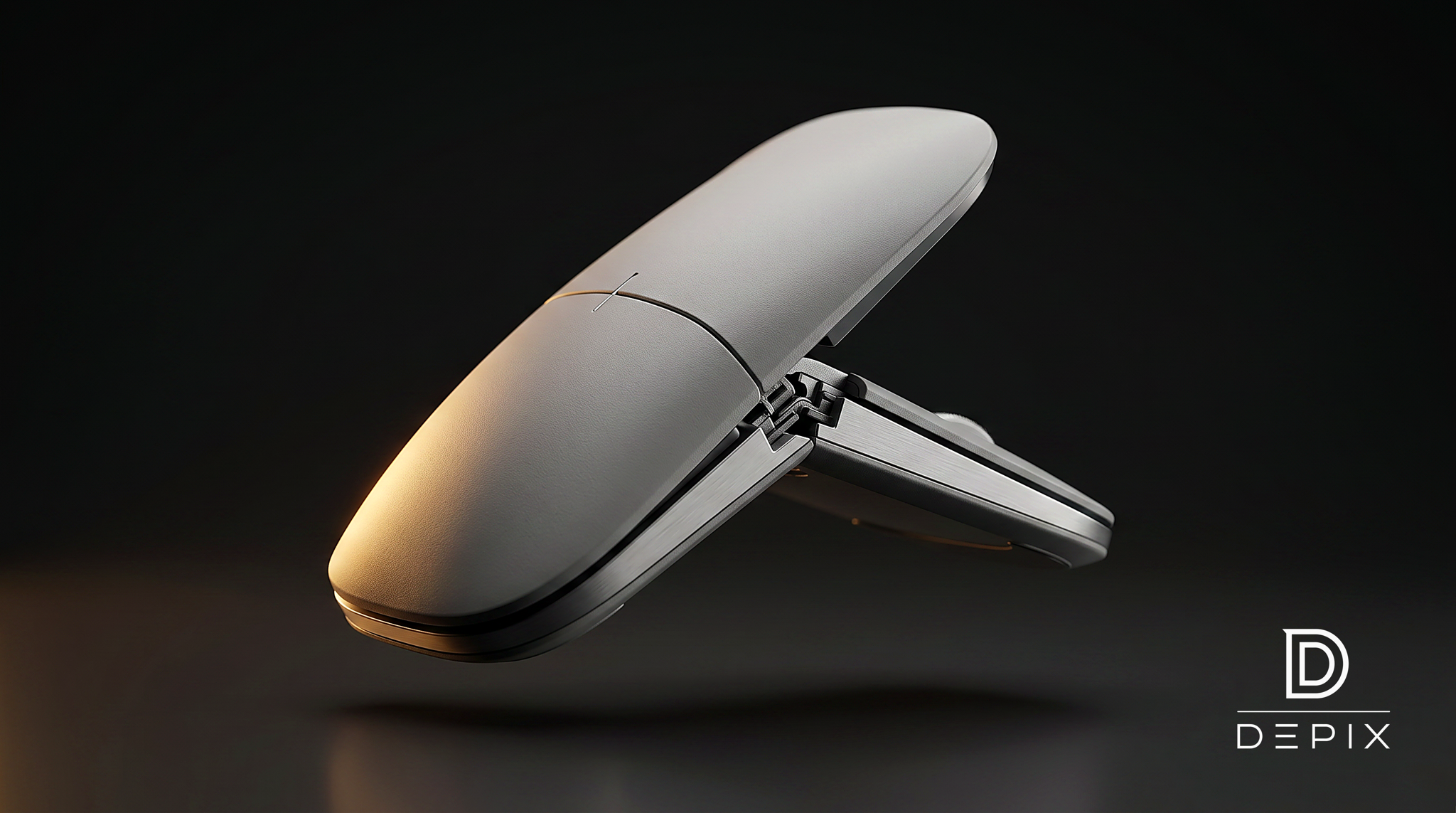
Logitech's mouse dropped the power button. The fold turns it on.
