The Wrong Lawn: Pebble Beach at 75 and the Case for Conviction Over Variation
The world will point its cameras at the wrong lawn.
On Sunday 16 August 2026, the Pebble Beach Concours d'Elegance crowns its 75th-anniversary edition on the 18th fairway — the culmination of Monterey Car Week. The Best of Show trophy, the record hammer prices and the magazine covers will all fixate on the past: flawless prewar coachwork like a teardrop Delahaye or Talbot-Lago bodied by Figoni & Falaschi, a Bugatti Type 57SC Atlantic, a supercharged Duesenberg. Rightly so — they are among the most resolved objects humans have ever built.
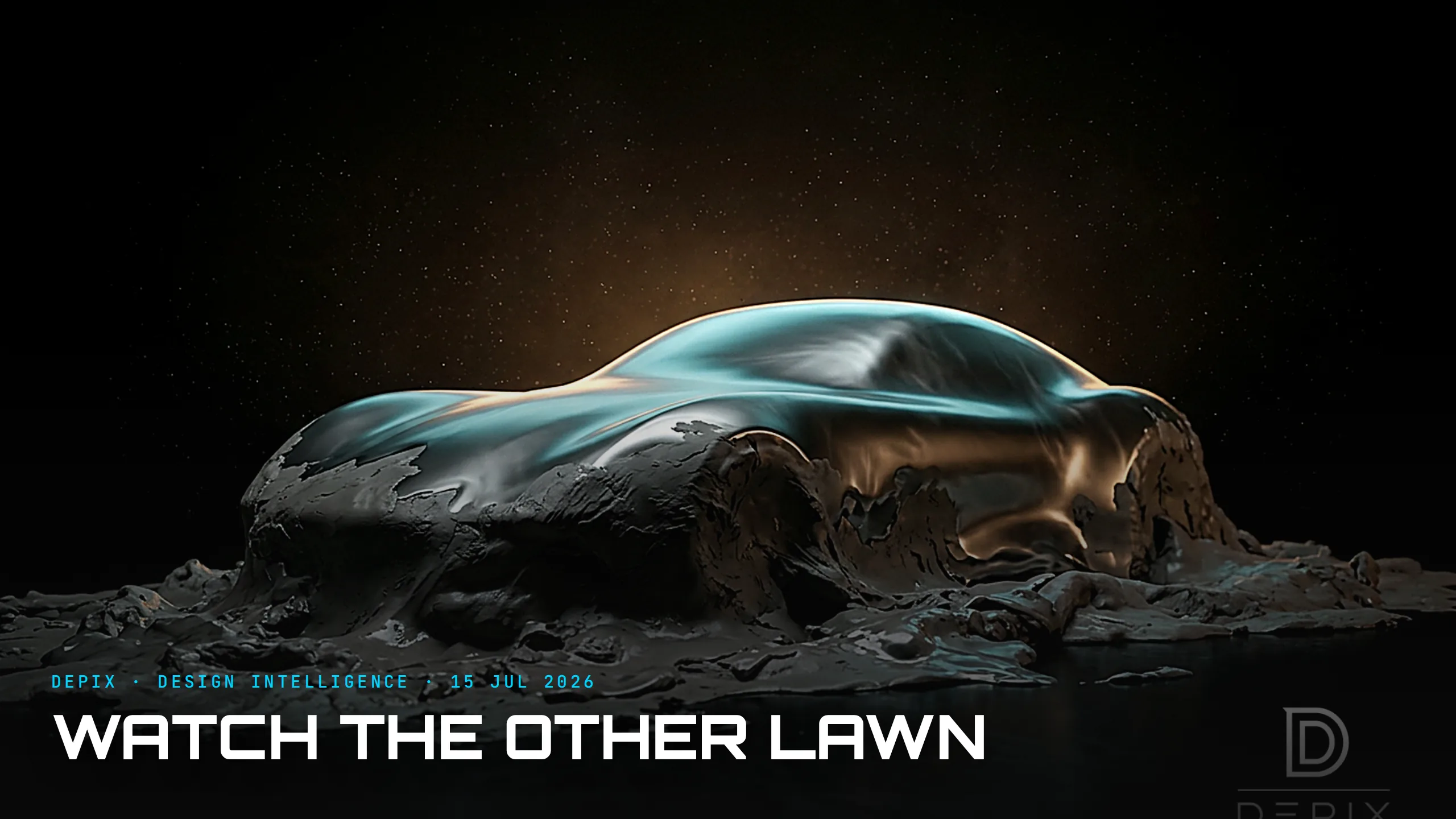
But the most consequential design moment at Pebble Beach happens a few hundred yards away, on the Concept Lawn — the Concept Cars & Prototypes class — where manufacturers and coachbuilders world-premiere brand-new concept cars. One field honours the most resolved bets of the past. The other is where the industry stakes its bets on the future. In 2026, the future lawn is the one every designer should be watching.
Here is the contrarian claim: a concours is the purest argument on earth for the idea that design is won at the concept phase — before detailing, before value-engineering, before compromise. A concept car is the concept phase made public. It is a single, uncompromised statement of conviction, built once, answerable to no focus group.
The genre was born as exactly that. Harley Earl's 1938 Buick Y-Job — the industry's first concept car — was never a product plan. It was one man's argument about where beauty was heading, hand-built as a singular object and driven by Earl himself for years. The prewar competition field makes the same point in reverse: Gordon Buehrig did not arrive at the Duesenberg Model J or the Cord 810 by generating a thousand alternatives and A/B-testing the survivors. He committed. The cars that will win trophies in August are frozen acts of conviction, and that is precisely why we still stare at them ninety years on.
That tradition is alive on the Concept Lawn, which has quietly become one of the most important debut stages in the world. Infiniti chose Pebble Beach to unveil its Prototype 9, a hand-beaten retro-electric roadster, in 2017; year after year the lawn hosts world premieres no auto-show floor could dignify. And the coachbuilding revival has made the one-off the ultimate flex again: Rolls-Royce's Boat Tail and its four-years-in-the-making Sweptail, the bespoke commissions from houses like Pininfarina — each a deliberate rejection of the variant in favour of the singular.
Why does this matter more in 2026 than ever before? Because generative AI has made design variation effectively infinite and free. Anyone can now conjure a thousand grille treatments, a hundred silhouettes, an endless feed of plausible cars, in an afternoon. When variation costs nothing, variation is worth nothing. The scarce, valuable, defensible thing becomes its exact opposite: a single committed, resolved design bet — the conviction to say this one, and to stake a brand on it.
That is the whole game a concours judges. It does not reward novelty; novelty is now abundant. It rewards resolution — the sense that every line was chosen, that nothing is arbitrary, that the object could not be otherwise. A Best of Show winner and a Concept Lawn premiere are graded on the same axis, seventy-five years apart: not how many ideas, but how completely committed is this one.
This is the reframe DEPIX keeps returning to. The concept car is conviction made visible. In an age where AI can generate infinite variation, the moat is not the ability to produce more options — everyone has that now — but the taste and nerve to resolve them into one. The concept phase was always where the decisive design value was created; it is now the only place it is created, because everything downstream can be automated, cloned, or out-rendered by a model.
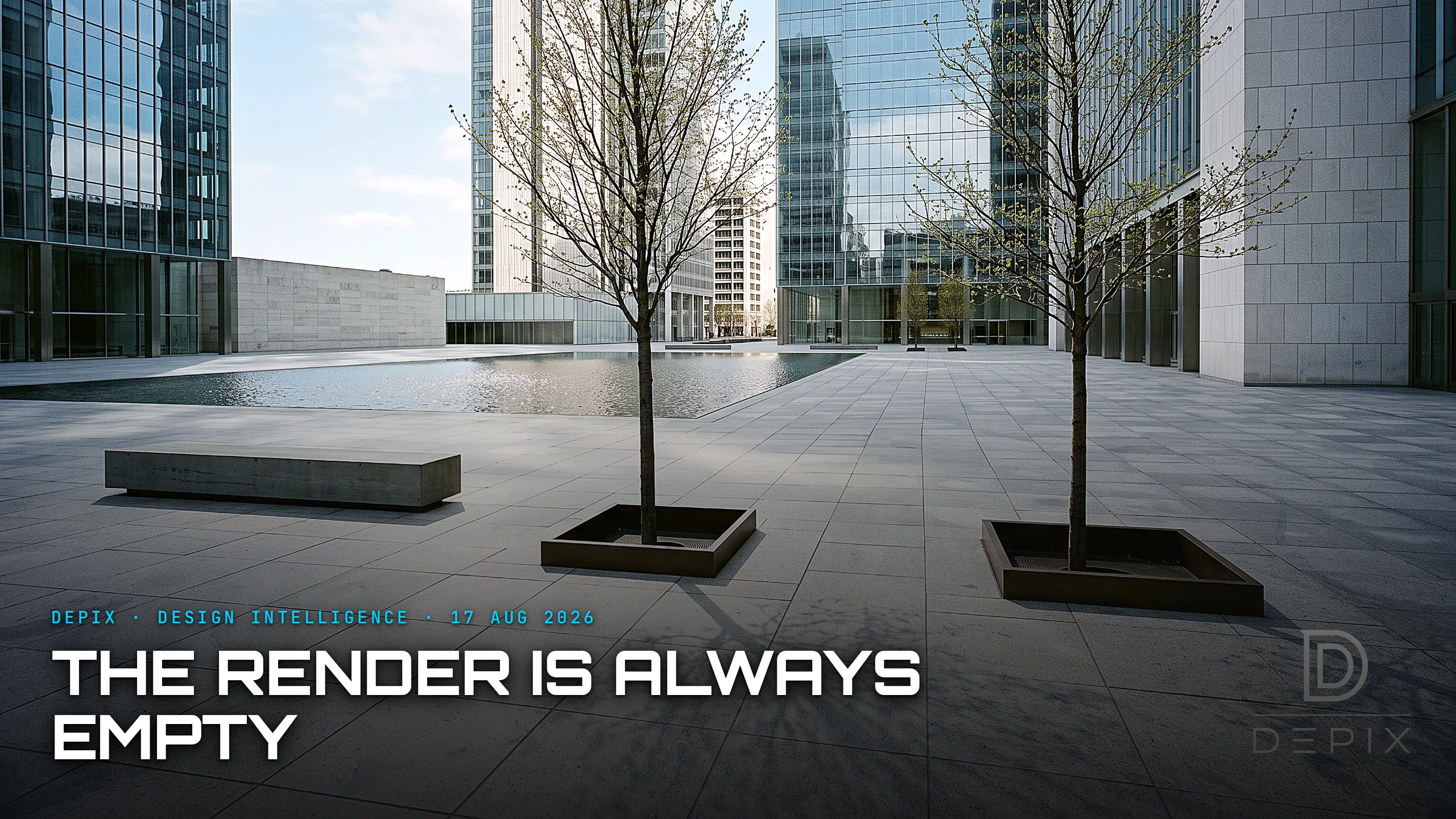
So by all means, photograph the Delahayes. But when you are at Pebble Beach this August, walk the few hundred yards to the Concept Lawn. One field shows you the most convicted bets of the past. The other shows you who still has the nerve to make one. In 2026, that nerve — not the render, not the variant — is the entire moat.
Sources:
- ●Pebble Beach Concours d'Elegance (Wikipedia)
- ●Pebble Beach Concours d'Elegance — official site
- ●Monterey Car Week (Wikipedia)
- ●Delahaye (Wikipedia)
- ●Talbot-Lago (Wikipedia)
- ●Figoni & Falaschi (Wikipedia)
- ●Bugatti Type 57 / Atlantic (Wikipedia)
- ●Duesenberg (Wikipedia)
- ●Concept car (Wikipedia)
- ●Harley Earl (Wikipedia)
- ●Buick Y-Job — first concept car (Wikipedia)
- ●Gordon Buehrig (Wikipedia)
- ●Infiniti reveals Prototype 9 at 2017 Pebble Beach (Nissan/Infiniti Newsroom)
- ●Coachbuilder (Wikipedia)
- ●Rolls-Royce Boat Tail (Wikipedia)
- ●Rolls-Royce Sweptail (Wikipedia)
- ●Pininfarina (Wikipedia)
Depix white paper
Novelty is the demo. Consistency is the product.
Generative models are built to surprise you. Professional work needs the opposite. Our 13-page paper sets out why they drift, what the field's own benchmarks measure, and what a real solution has to do.
Or read the whole thing in the browser →
The Thirty-Year Object: Why Patina Is the Real Luxury at Maison&Objet 2026

The Idea Before the Cut: Why Tokyo's Concept-First Fashion Is the Only Moat Left in an AI Era