The Thirty-Year Object: Why Patina Is the Real Luxury at Maison&Objet 2026
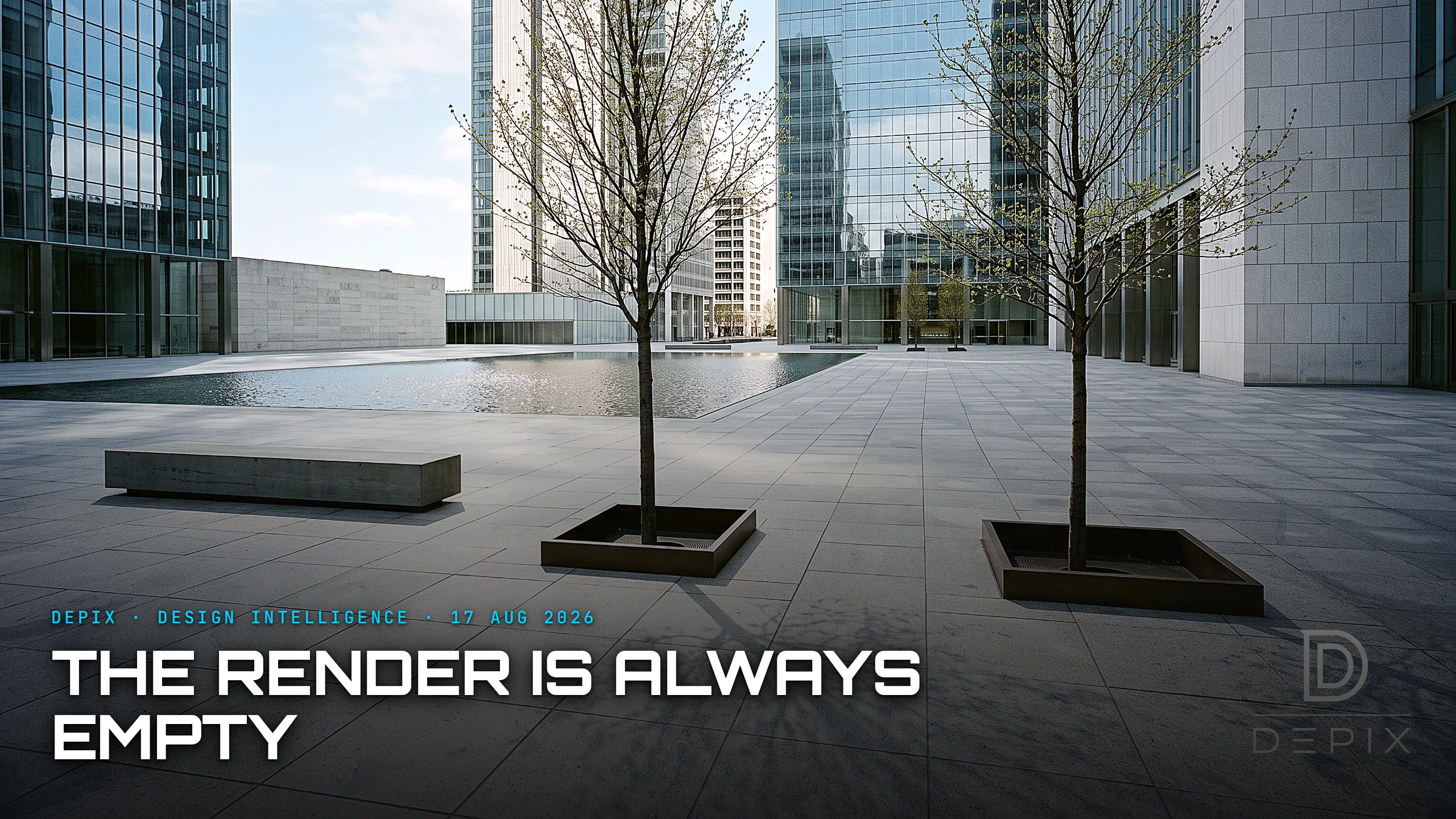
When Maison&Objet opens its September 2026 edition at Paris-Nord Villepinte from 4–8 September, the aisles will be crowded with objects photographed at the single most flattering moment of their lives: the unboxing. This is the quiet secret of most manufactured goods. They peak the instant you own them, then decline. The powder coating chips, the veneer lifts, the soft-touch plastic goes tacky, the chrome pits. Because the object was engineered to look flawless on day one, every mark it later collects reads as damage — and damage is the cue to throw it away.
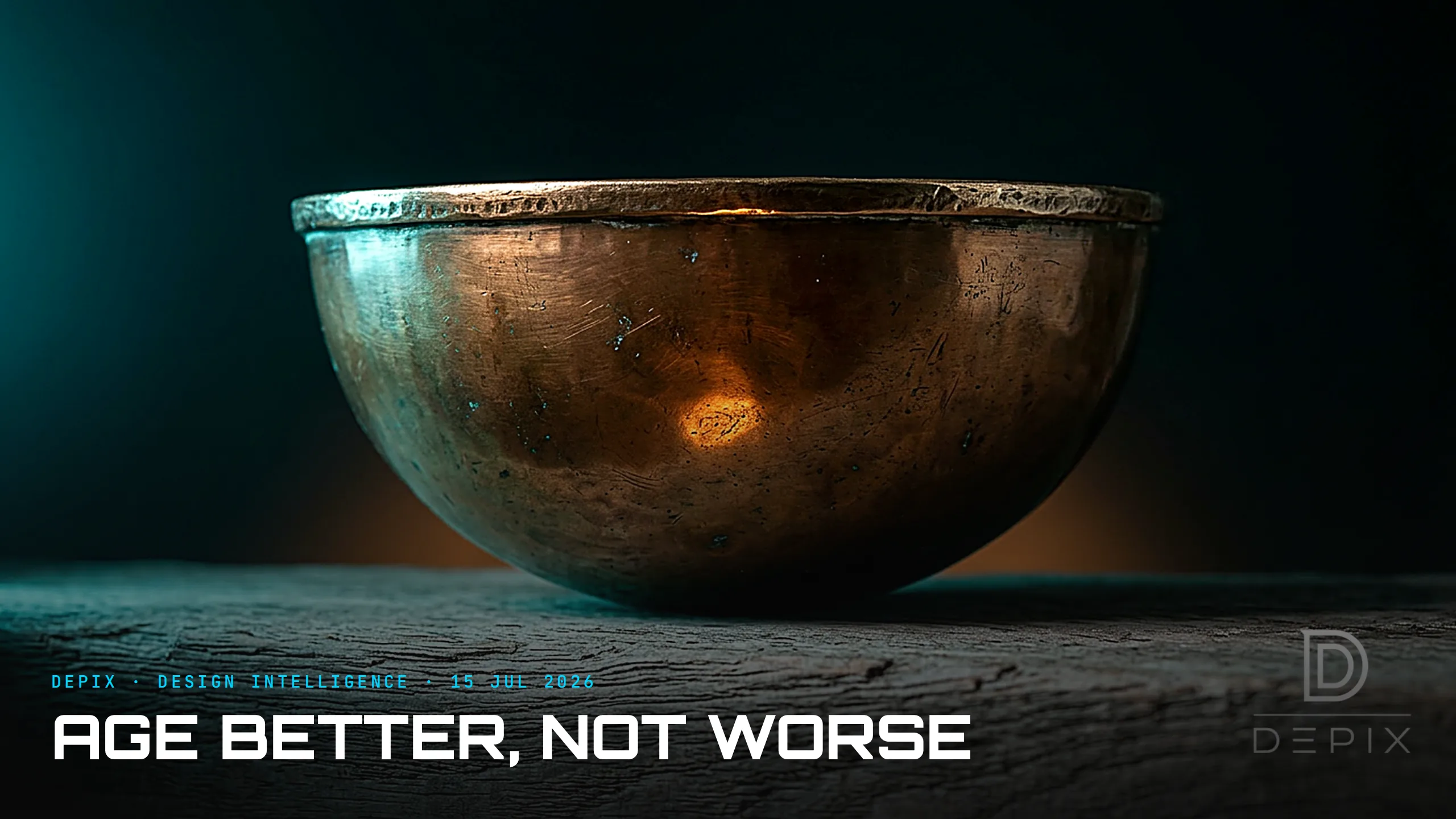
There is an older, more stubborn tradition that inverts the whole equation: objects designed to look their worst on day one and improve for decades. The mechanism has a name — patina, the surface a material earns through use, oxidation and touch. Solid brass darkens from a brash yellow to a warm bronze glow. Vegetable-tanned leather) burnishes and deepens where hands rest. A cast-iron pan builds a black, near-nonstick seasoning) no factory could ever apply. Raw copper greens into verdigris; reclaimed oak silvers; architectural weathering steel rusts into a protective skin instead of failing. On these materials, wear is not subtraction. It is authorship — a scratch becomes a story rather than a defect.
The philosophical root runs through Japan. Wabi-sabi — the aesthetic that finds beauty in the impermanent, the weathered and the incomplete — treats age as the point rather than the problem, and its most literal expression, kintsugi, mends broken pottery with gold so the fracture becomes the most valuable line on the piece. The Western canon arrived at the same place from the opposite direction. Dieter Rams made "good design is long-lasting" one of his ten principles precisely because he was designing against fashion. Enzo Mari went further, publishing open plans for honest furniture anyone could build and repair, treating disposability as a failure of the designer, not the user.
Its villain has a name too, and a birthday. Planned obsolescence — engineering a product to wear out, look dated, or become unrepairable on a schedule — was made policy in the 1920s and never left. It is why a phone battery is glued in, why a "seasonal" homeware line exists at all, and why the right-to-repair campaign and the broader slow-design) current now read as quietly radical. To design an object that gets better for thirty years is to renounce the business model that sells you the same object five times.
Here is the part the trend-forecast panels tend to miss, and it is the whole argument. Ageing gracefully is not a finish. It cannot be sprayed on at the end. A lacquer or a clear-coat is exactly the move that prevents patina — it seals the surface so the metal can never breathe, warm or darken, and the day that coating inevitably scratches, the object looks broken instead of aged. The choice between something that ennobles with wear and something that merely wears out is made in the very first moves: solid material instead of plated, honest joinery instead of glue, unlacquered instead of sealed, a species and a temper that oxidises beautifully rather than one that just corrodes. By the time you are picking a colourway, it is already too late. Patina is a concept-phase property, or it is nothing at all.
That is the reframe DEPIX cares about most, and Maison&Objet is the perfect stage for it. Walk past the small foundries, tanners and ceramicists throwing by hand and you are not looking at nostalgia. You are looking at decisions made correctly at the root — material honesty chosen before form, so that time becomes a collaborator instead of an enemy. The publications that shape the field, from Dezeen to London's Design Museum, increasingly frame this as the serious answer to a disposable century.
The luxury market has spent a decade selling "timelessness" as a look — a neutral palette, a minimal silhouette, a hero shot lit to hide every seam. Real timelessness is the opposite of a look. It is a set of decisions about matter, made before the object has a shape, that let it accrue thirty years of touch and come out lovelier for it. The unboxing is the worst this kind of object will ever look. Everything after is the object becoming itself — and that is not a detail you add later, but the first thing you design, or the thing you can never add at all.
Sources:
- ●Maison&Objet (official site)
- ●Patina — Wikipedia
- ●Brass — Wikipedia
- ●Tanning (leather) / vegetable tanning — Wikipedia)
- ●Cast-iron cookware — Wikipedia
- ●Seasoning (cookware) — Wikipedia)
- ●Verdigris — Wikipedia
- ●Reclaimed lumber — Wikipedia
- ●Weathering steel — Wikipedia
- ●Wabi-sabi — Wikipedia
- ●Kintsugi — Wikipedia
- ●Dieter Rams — Wikipedia
- ●Enzo Mari — Wikipedia
- ●Planned obsolescence — Wikipedia
- ●Right to repair — Wikipedia
- ●Slow movement (culture) / slow design — Wikipedia)
- ●Lacquer — Wikipedia
- ●Dezeen (design magazine)
- ●Design Museum, London
Depix white paper
Novelty is the demo. Consistency is the product.
Generative models are built to surprise you. Professional work needs the opposite. Our 13-page paper sets out why they drift, what the field's own benchmarks measure, and what a real solution has to do.
Or read the whole thing in the browser →
Executive Brief · 15 July 2026 — Seven Design Worlds, One Conclusion

The Wrong Lawn: Pebble Beach at 75 and the Case for Conviction Over Variation