The Convergence of AI and 3D: A New Era in Digital Image Creation
Integration of generative AI into Autodesk VRED is one example of the convergence of AI and 3D. As this new era evolves, expect to see integration into all 3D modeling software.
The digital art world is experiencing a fundamental transformation as artificial intelligence image generation merges with traditional 3D modeling and rendering workflows. This convergence is creating powerful new hybrid approaches that leverage the strengths of both technologies.
Understanding the Traditional 3D Pipeline
To appreciate the magnitude of this change, let's first consider how 3D imagery has traditionally been created. Artists would begin by modeling objects in 3D software, carefully crafting every surface and detail. Then they would set up virtual lighting, apply materials, and render the final image — a process that could take hours or days for a single frame.
Enter AI Image Generation
The emergence of AI image generation tools has introduced a radically different approach to creating images. These systems can produce complex visuals from text descriptions or reference images in seconds, bypassing the traditional modeling pipeline entirely.
The New Hybrid Workflow
What we're seeing now is the beginning of a fascinating synthesis between these two approaches. Artists are developing workflows that leverage the strengths of both technologies:
- ●Environmental Integration: 3D models can now be seamlessly integrated into AI-generated environments. Artists might render their 3D assets with transparent backgrounds and have AI tools generate and blend contextual backgrounds.
- ●Iterative Design Exploration: Perhaps most revolutionary is how this combination accelerates the design exploration process. Artists can quickly generate multiple variations of their 3D models by using AI to experiment with different styles, materials, and environments.
The Impact on Production Pipelines
This convergence is reshaping production pipelines across multiple industries. In product visualization, for example, companies can now create marketing materials in a fraction of the time previously required, while maintaining the precision of their 3D product models.
Looking to the Future
As these technologies continue to evolve, we're likely to see even deeper integration. Future tools might allow for real-time AI assistance during the 3D modeling process itself, suggesting modifications, generating variations, or automatically handling repetitive tasks.
The Evolving Role of the Artist
This technological convergence isn't replacing artists — it's empowering them to focus more on creative direction and artistic intent rather than technical execution. The most successful creators will be those who learn to orchestrate both AI and traditional tools effectively.
For those looking to embrace this new paradigm, developing a strong foundation in traditional 3D principles remains crucial. Understanding form, lighting, and composition helps artists make better use of AI tools and produce more compelling results.
The fusion of AI image generation with traditional 3D workflows represents more than just a technical advancement — it's a fundamental shift in how we approach digital image creation.
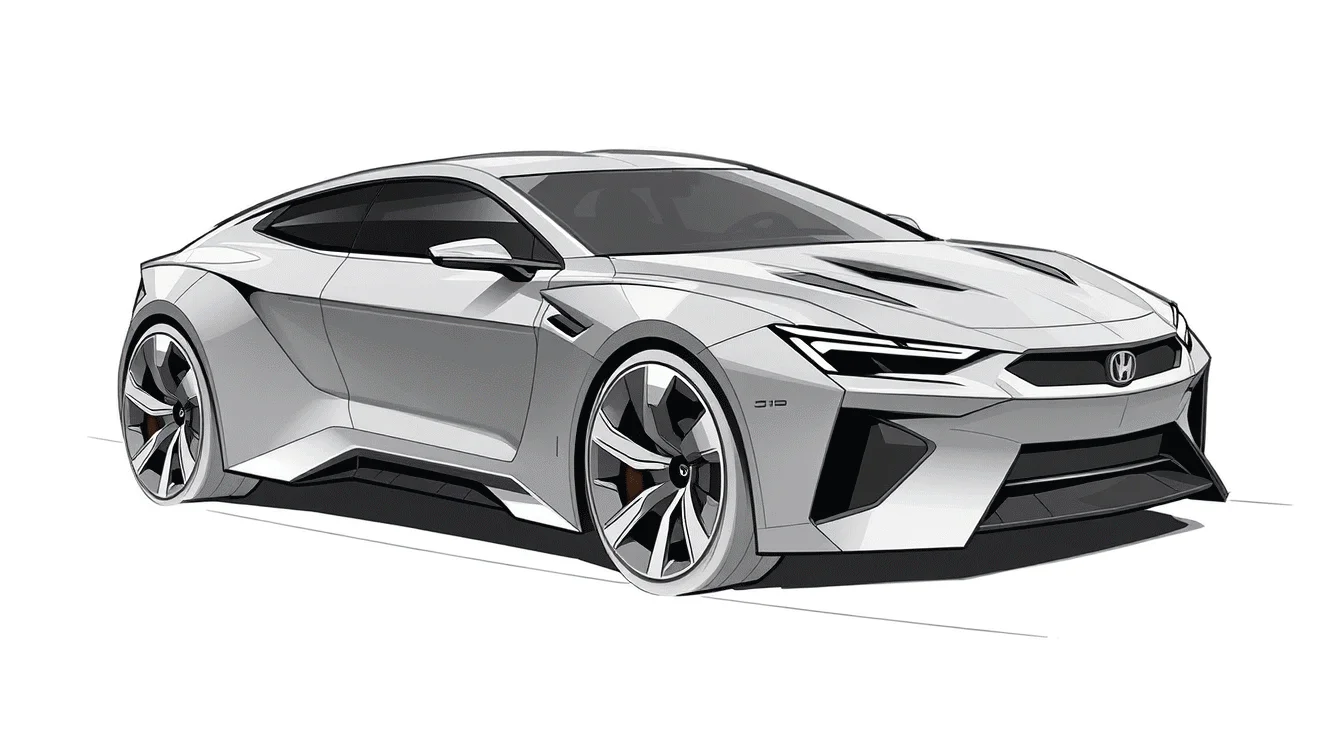
Bridging the Gap: How Generative AI Integrates 2D, 3D, and Physical Workflows
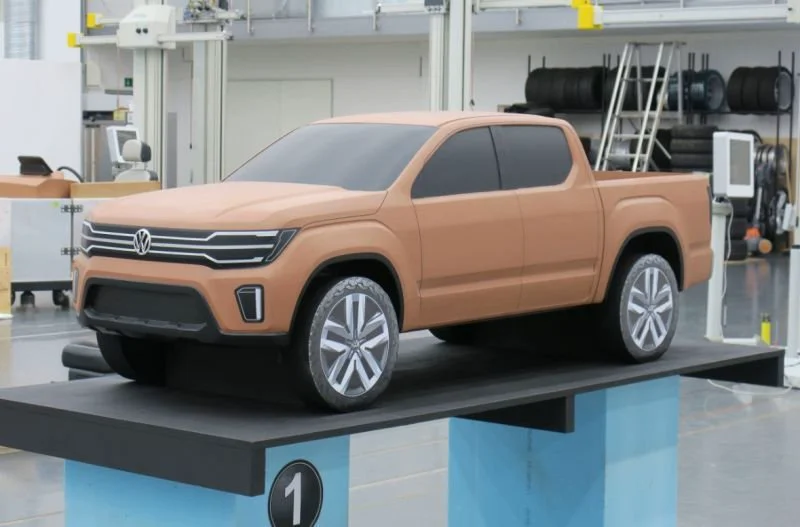
From Clay to Reality: Exploring Design Lab's Style Drive Technology
