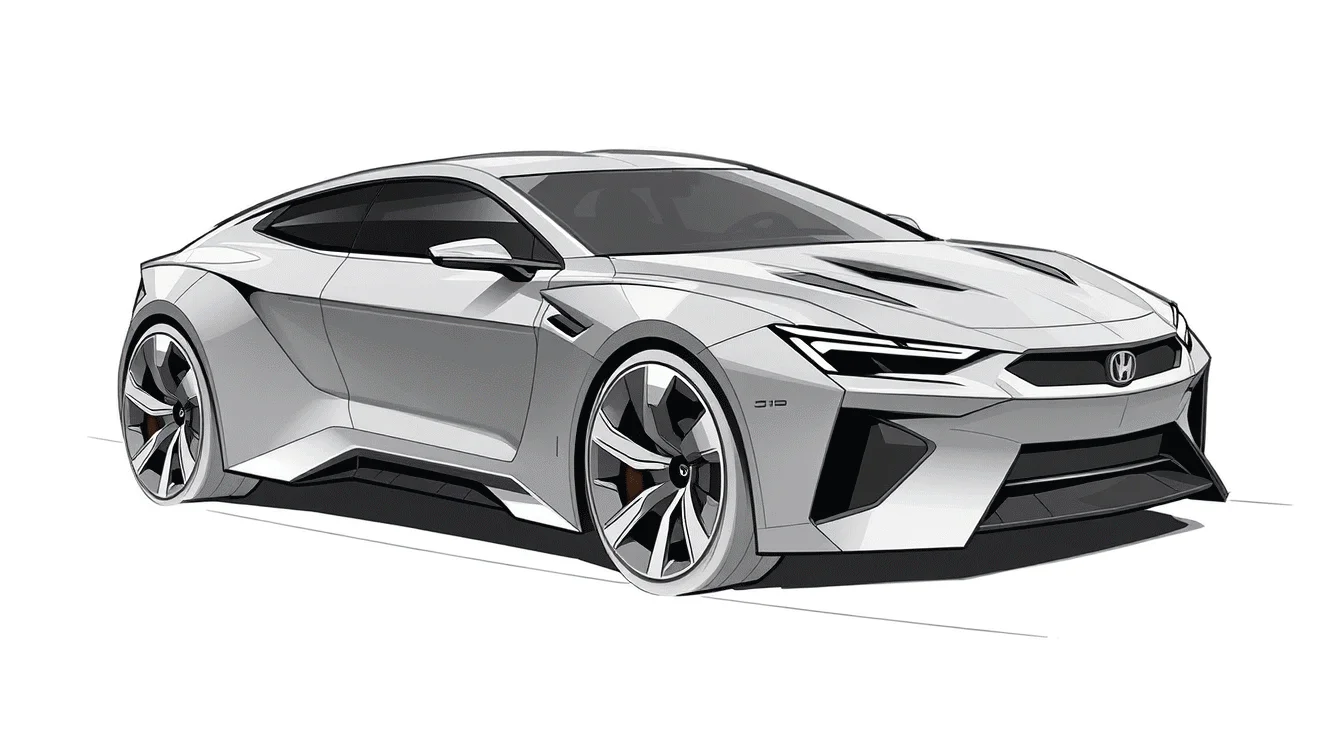
From Clay to Reality: Exploring Design Lab's Style Drive Technology
In the ever-evolving landscape of automotive design visualization, Depix Design Lab's Style Drive technology represents a breakthrough in how we transform early-stage clay models into photorealistic product visualizations.
Understanding Style Drive
At its core, Style Drive is an innovative tool within Design Lab that performs what we might call "visual translation." Think of it as an artist who can take the essential character of one image — the form, the proportions, the design intent — and express it through the visual language of another.
The Process in Action
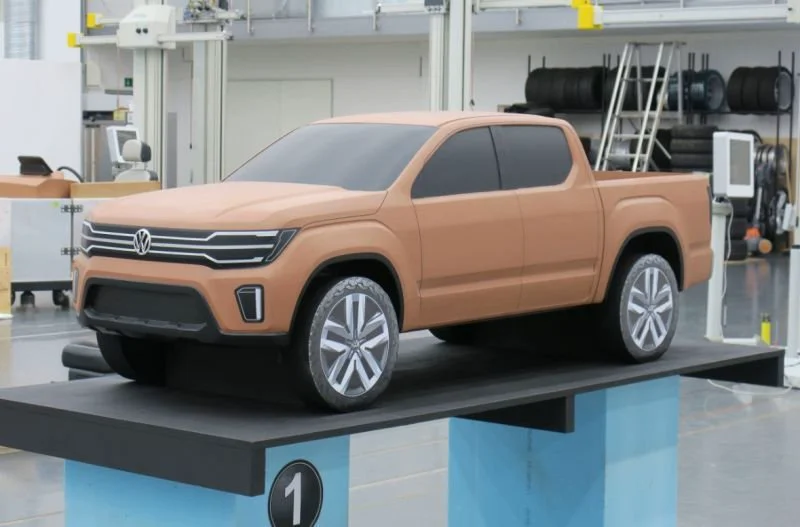
Our case study began with a photograph of a clay model truck. Clay modeling has long been the gold standard in automotive design, allowing designers to perfect form and proportion in three dimensions. But photographs of clay models, while useful, can't convey the final vision — the paint, the reflections, the road presence.
This is where Style Drive enters the picture. We selected a reference image — a production truck photographed in a desert setting — as our "style driver." This image contained all the real-world elements we wanted: materials, environment, lighting, atmospheric depth.
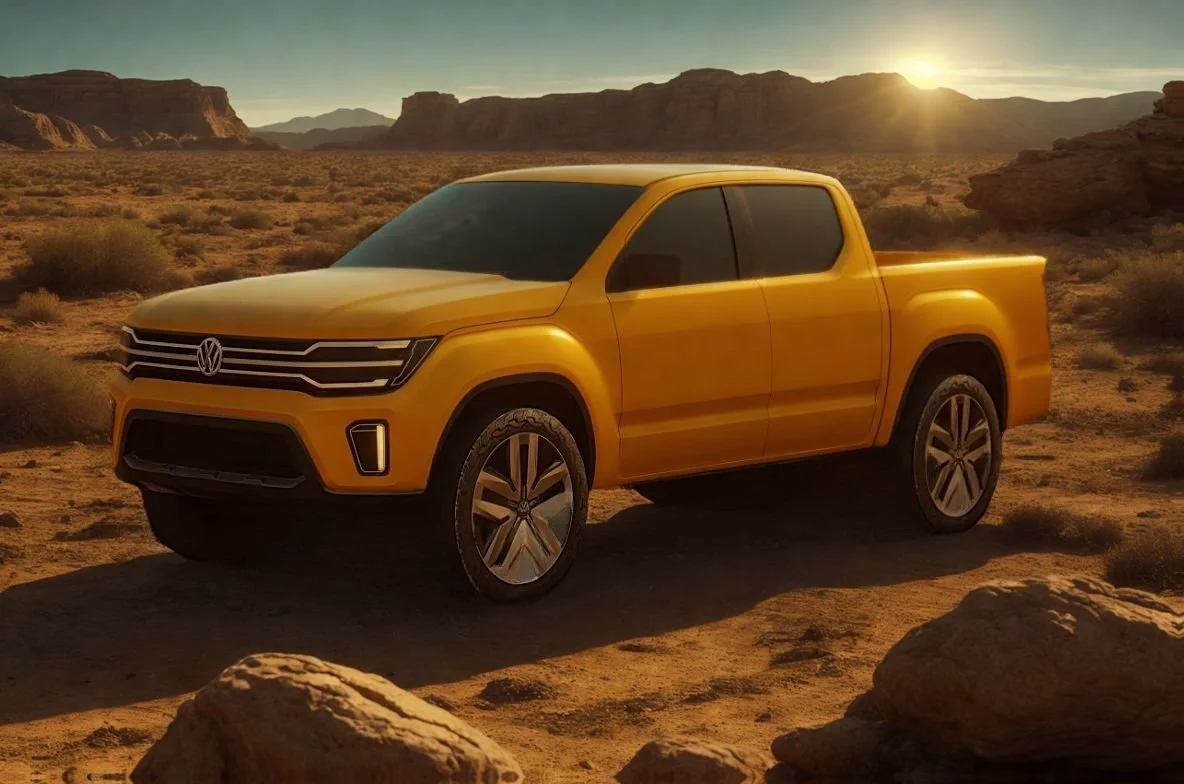
When Style Drive processes these images, it performs a complex analysis that separates content from style. It preserves our clay model's exact form and proportions while adopting the desert scene's materials, lighting conditions, and environmental context.
Adding Motion to the Mix
The transformation doesn't end with still images. Using Design Lab's upcoming image-to-video tool, we took our styled visualization and brought it to life through motion. This added a new dimension to the presentation, allowing stakeholders to experience the design from multiple angles.
The Bigger Picture
This workflow represents more than just a technical achievement — it's a fundamental shift in how we approach design visualization. Traditionally, a significant gap existed between early clay models and final production imagery. Style Drive bridges that gap instantly.
For design teams, this means faster decision-making, more efficient iteration cycles, and better communication with stakeholders. Being able to quickly transform a clay model photo into a convincing production visualization enables teams to evaluate designs earlier and more effectively.
This technology doesn't replace the importance of physical modeling or traditional design skills. Instead, it enhances them by providing immediate feedback on how design decisions might translate to the final product.
The Convergence of AI and 3D: A New Era in Digital Image Creation
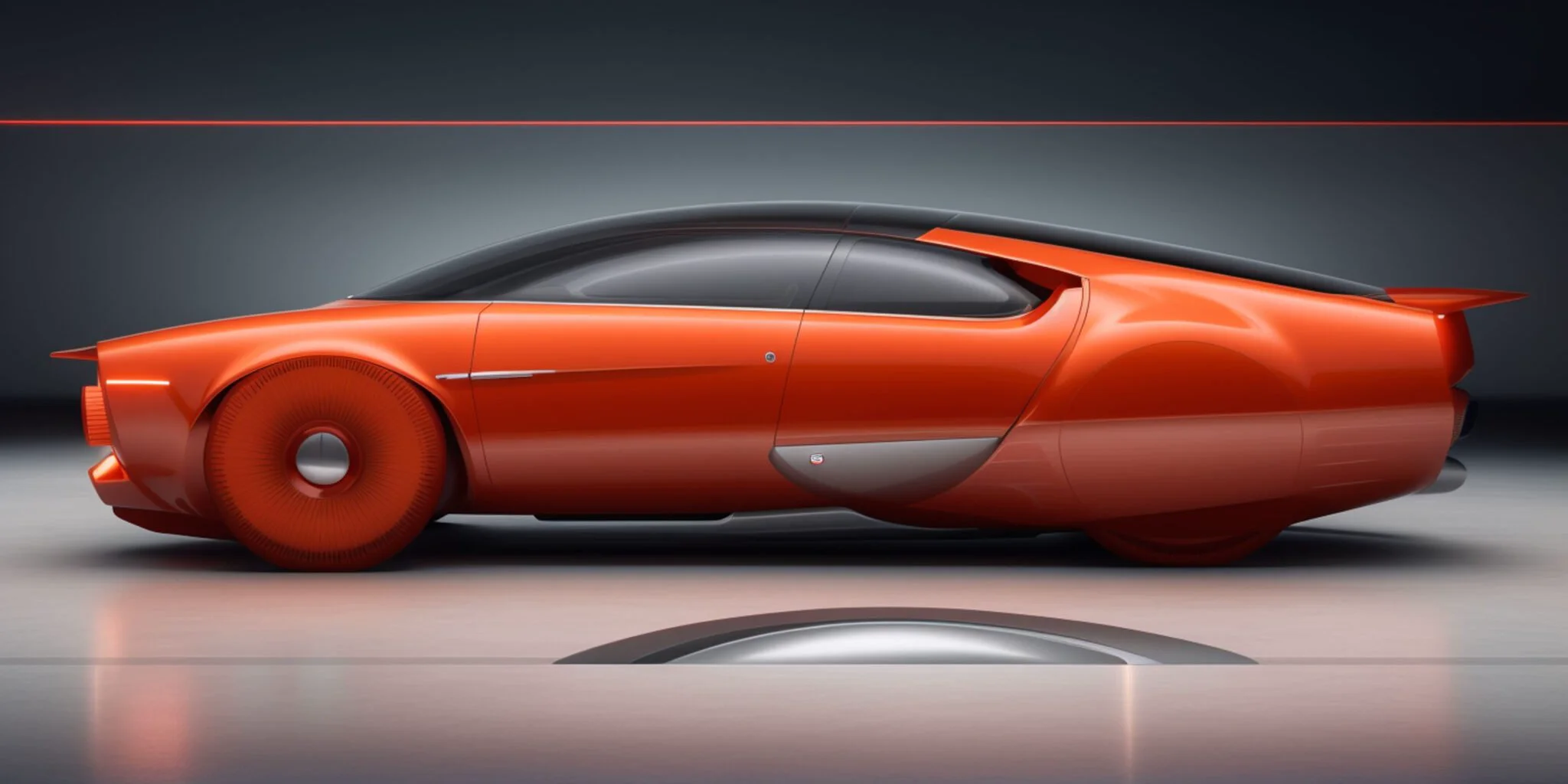
Cor Seenstra Reimagines the Chevrolet Bel Air